The Hangzhou Institute of Medicine, Chinese Academy of Sciences (HIMCAS), and its partners launched a center in Hangzhou on August 1, 2026, to apply artificial intelligence (AI) to drug discovery and development. The center is a joint initiative with Zhejiang Cancer Hospital, the institute’s affiliated hospital, and the National Medical Artificial Intelligence Pilot-Scale Facility in Zhejiang. Its work will cover target discovery, drug design and clinical validation.
Weihong Tan, a member of the Chinese Academy of Sciences, director of HIMCAS and president of Zhejiang Cancer Hospital, attended the ceremony. The launch was part of a ceremony establishing the pilot facility’s collaboration center for hospitals, research institutions and industry.
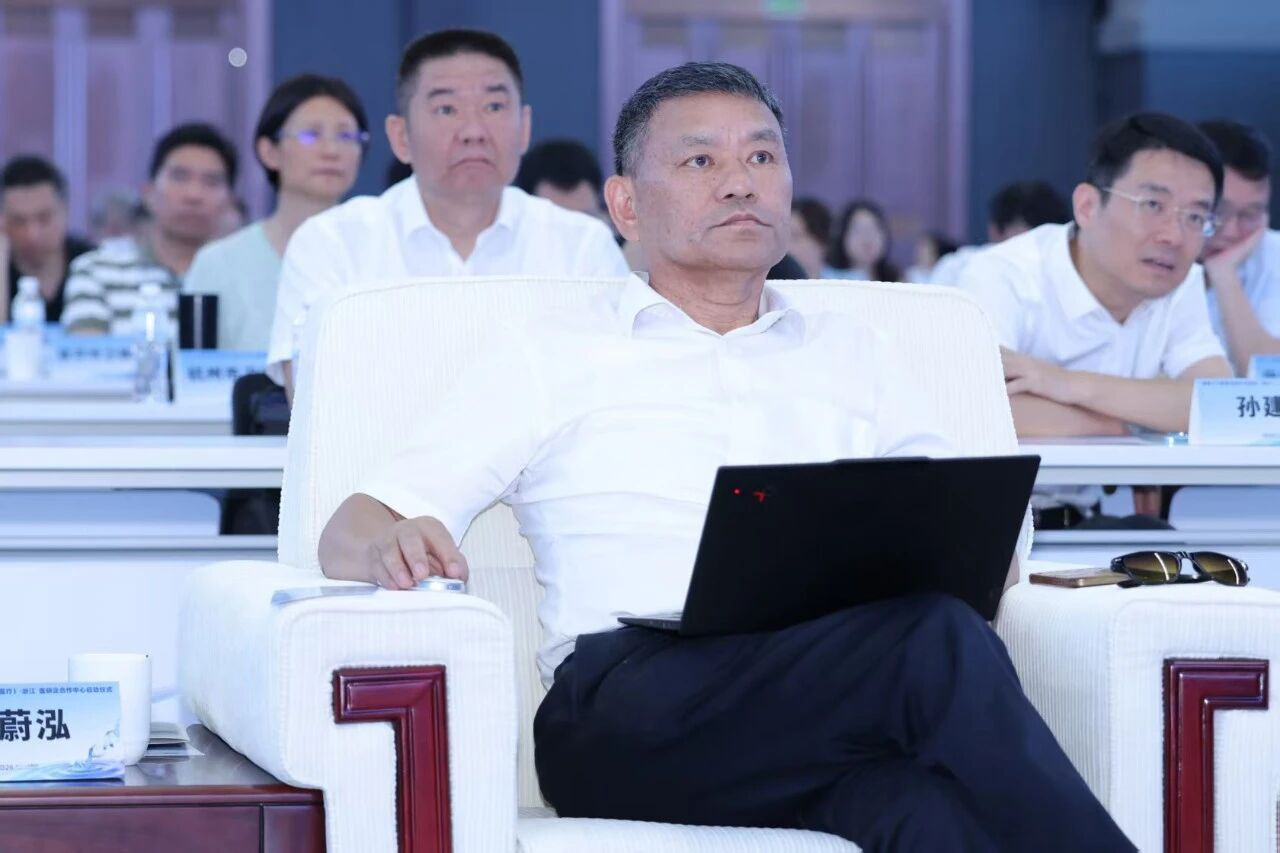
Weihong Tan attends the launch ceremony in Hangzhou on August 1, 2026.
Renyuan Wang, director and Party secretary of the Zhejiang Provincial Health Commission, spoke at the ceremony. Also attending from HIMCAS were Da Han, head of the Science and Technology Management Office; Lei Shi, director of the new center; and researchers Liang Zhang and Guangyong Chen.
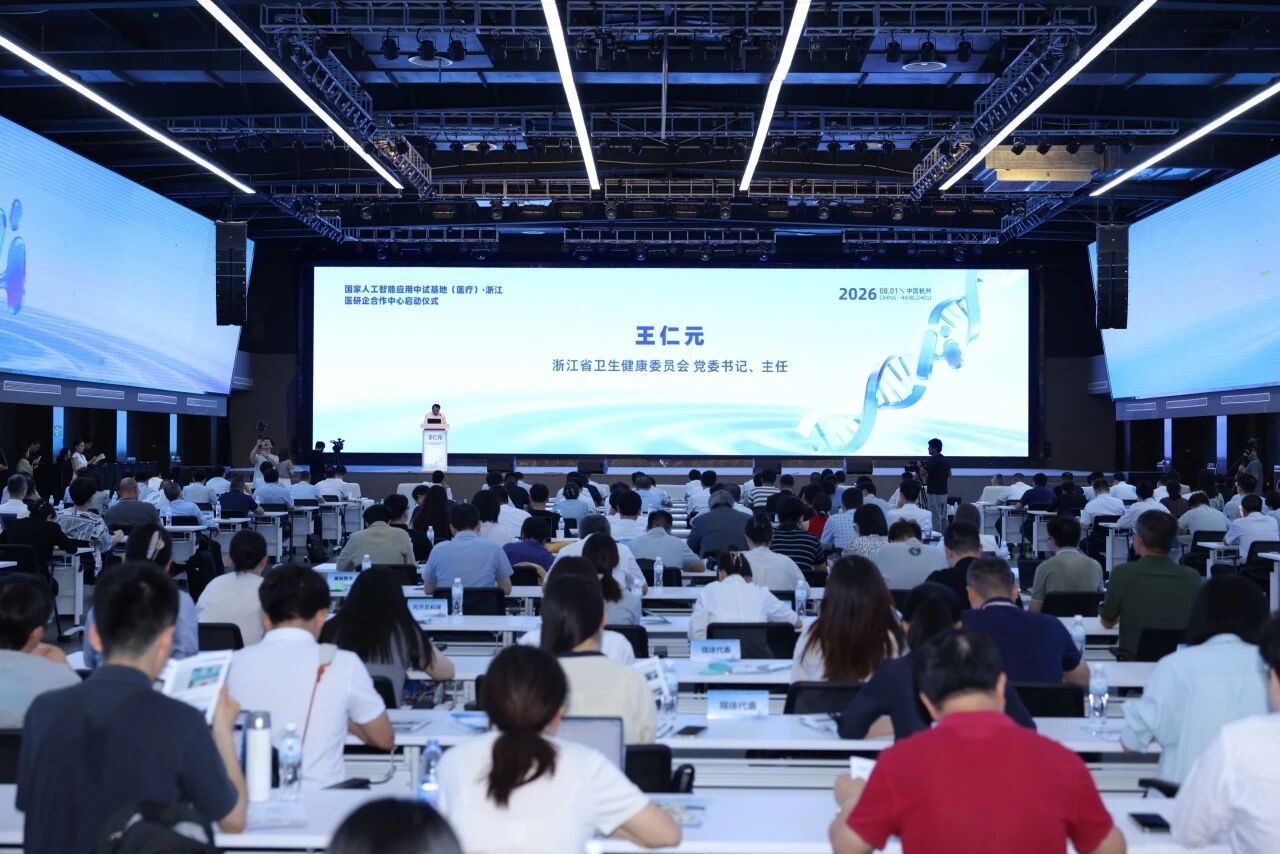
The launch ceremony brought together representatives of healthcare, research and industry.
The Zhejiang pilot facility presented the center with a plaque at the ceremony, marking the start of work on the joint platform. The partners plan to develop AI tools that research institutes, hospitals and pharmaceutical companies can use to identify drug targets, design candidate molecules and evaluate potential treatments.
Da Han took part in the signing ceremony. Lei Shi presented the center’s plans, including its work on drug discovery tools and clinical efficacy assessment.
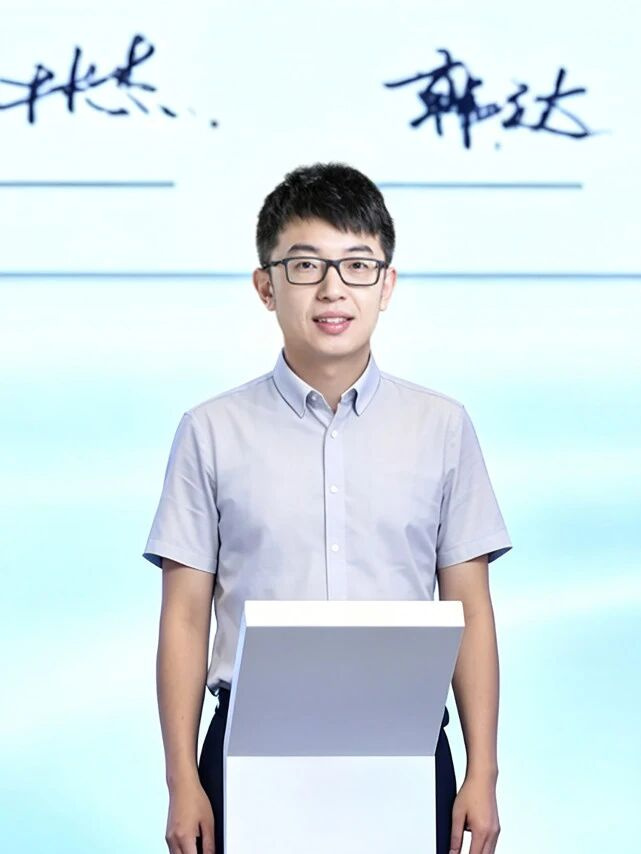
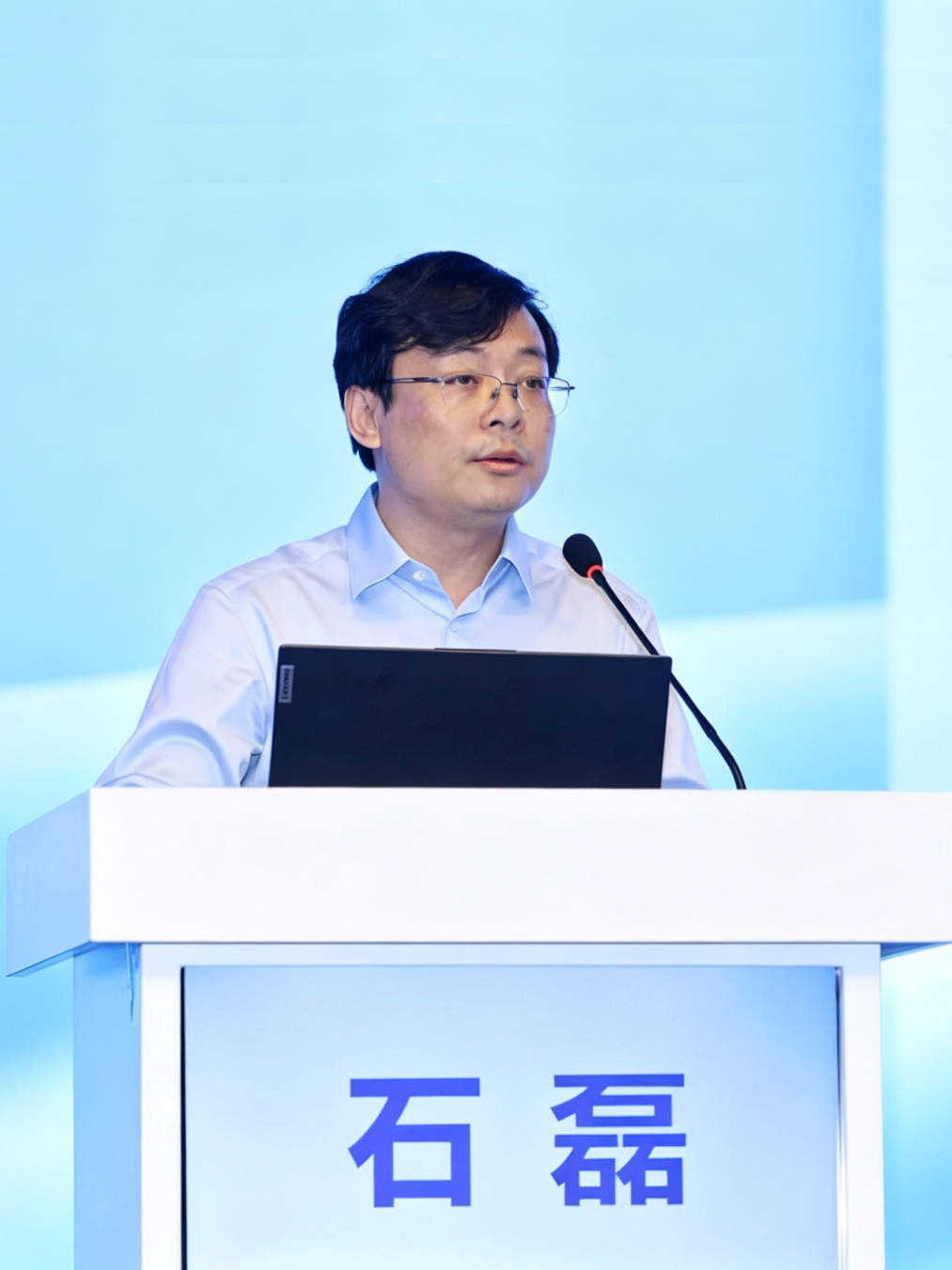
Left: Da Han takes part in the signing ceremony. Right: Lei Shi introduces the center.
Developing AI tools for drug discovery and clinical validation
The center’s priorities include a platform for AI-assisted drug discovery, AI agents for assessing clinical efficacy, and a system for organizing biomedical data in different formats. These resources are intended to support the design of candidate molecules, screening and optimization of potential drugs, and evaluation of treatment outcomes.
HIMCAS has been developing AI algorithms for drug design, including the design of nucleic acid drugs, alongside research on translating biomedical findings into practical applications. The new center will combine this work with biomedical data and clinical resources, using AI models to support both laboratory research and clinical evaluation.
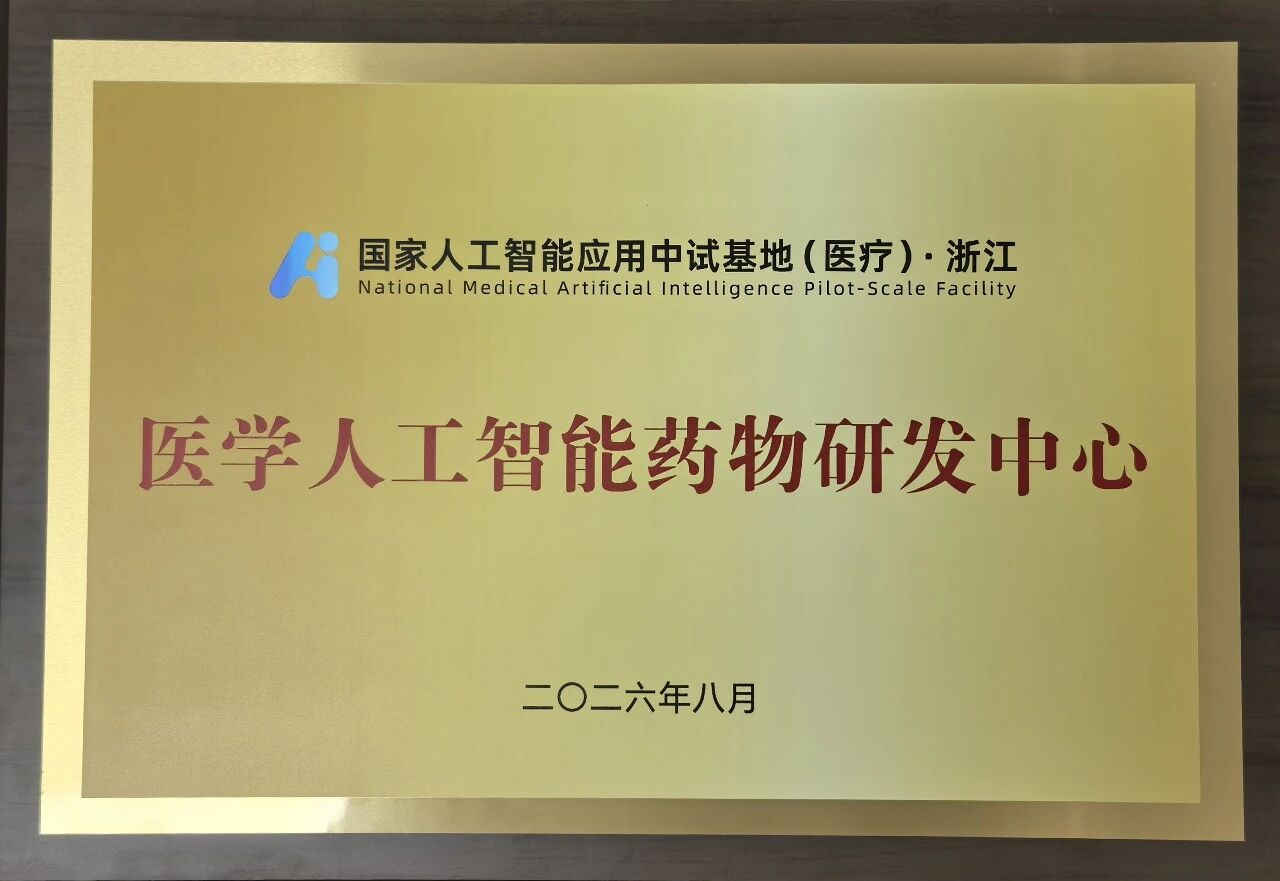
The plaque presented to the new center at the launch ceremony.
The partners plan to make the platform available to hospitals, research institutions and companies. They will draw on the pilot facility’s infrastructure and HIMCAS’s research expertise to develop shared data resources, AI models and software agents, with the aim of supporting drug development from initial research through clinical validation.