Research Highlights (September–November 2025)
Hangzhou Institute of Medicine, Chinese Academy of Sciences (HIMCAS)
Nature Photonics
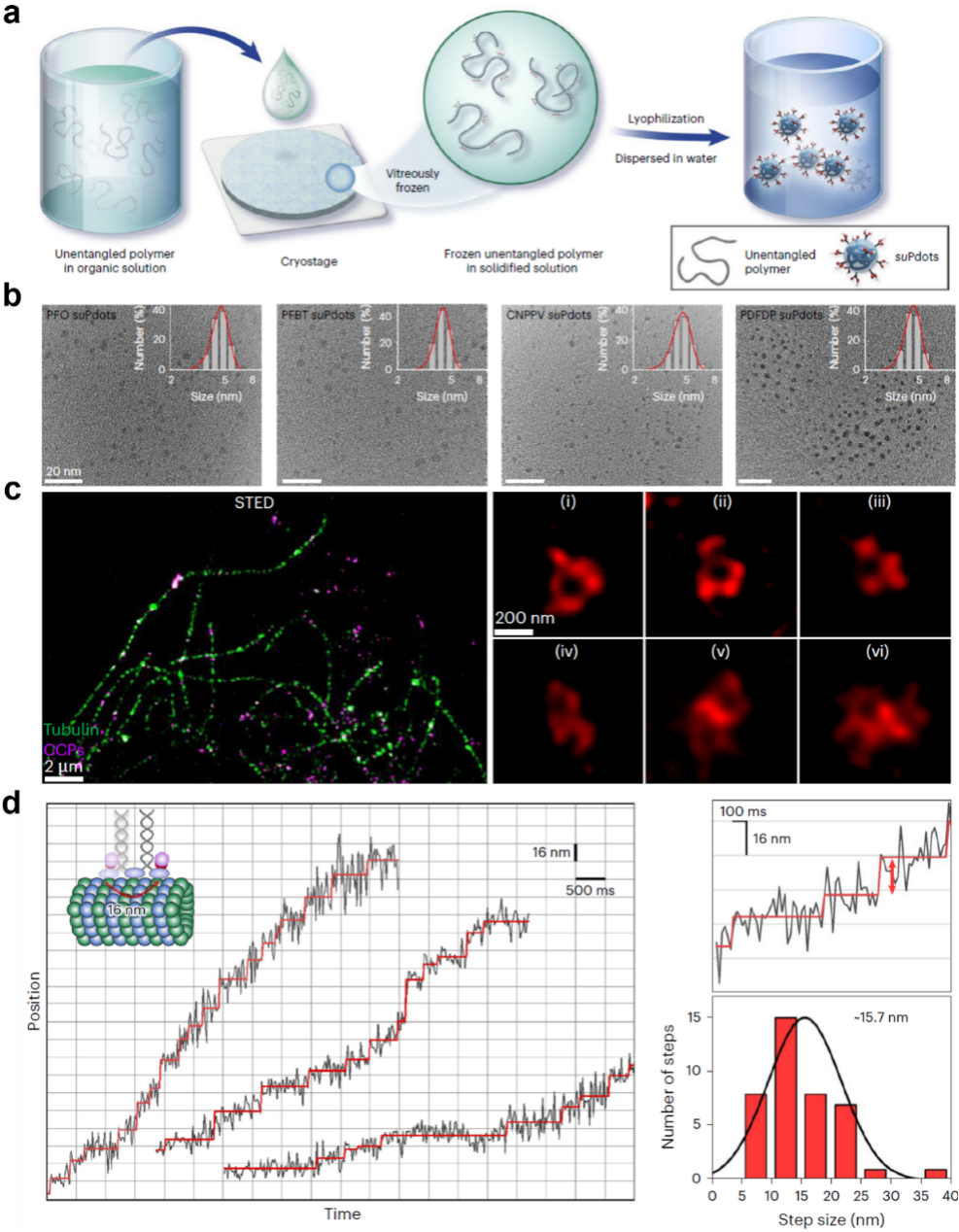
"Single-chain ultrasmall fluorescent polymer dots enable nanometre-resolution cellular imaging and single protein tracking"
Published in Nature Photonics on 3 October 2025, the collaborative study led by Prof. Xiaohong FANG and Prof. Jianjun WANG developed ultrasmall fluorescent polymer dots (suPdots) through a novel vitrification strategy. By freezing conjugated polymer solutions into glassy states and subsequent desolvation, the team created sub-5 nm probes composed of single polymer chains. These suPdots enabled nanoscale resolution imaging of subcellular structures and allowed tracking of single kinesin motor proteins in live cells using conventional spinning-disk confocal microscopy, providing a powerful new tool for super-resolution imaging and single-molecule dynamics studies.
Nature Biomedical Engineering
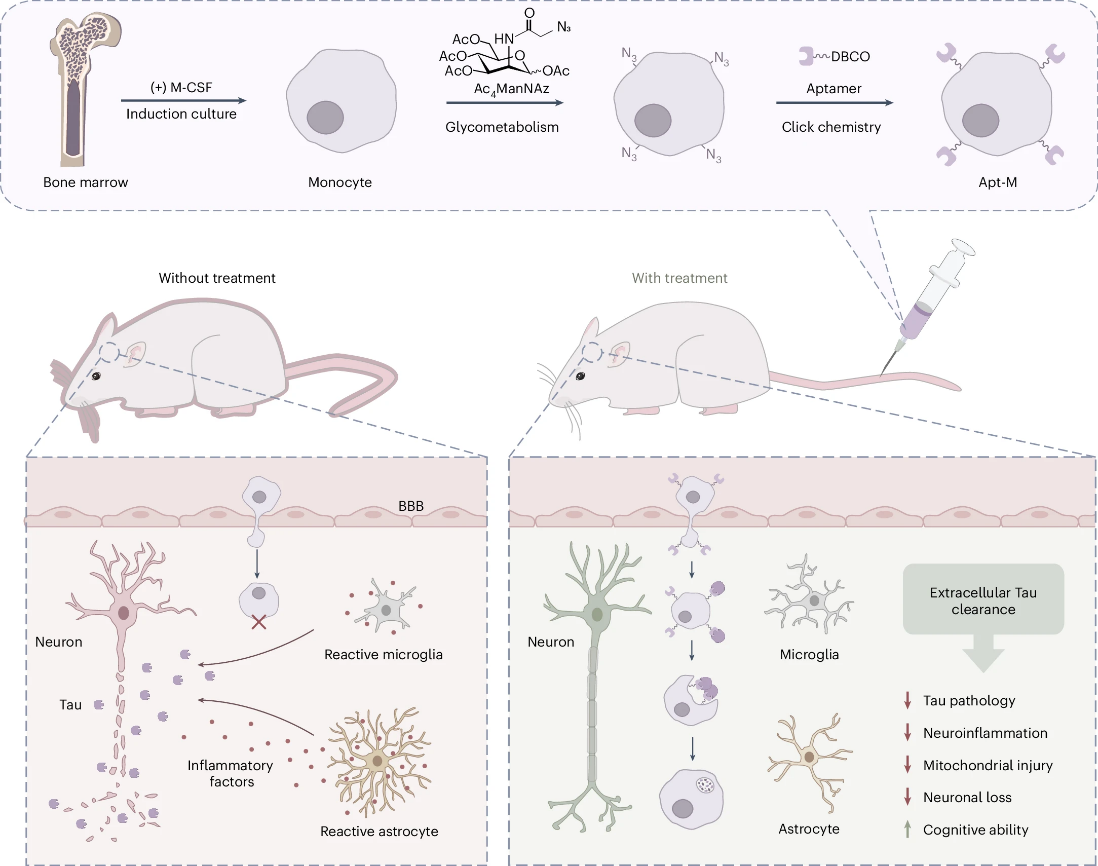
"Targeted clearance of extracellular Tau using aptamer-armed monocytes alleviates neuroinflammation in mice with Alzheimer's disease"
Published in Nature Biomedical Engineering on 1 October 2025, the study led by Academician Weihong TAN and Prof. Liping QIU developed an innovative aptamer-based monocyte therapy for Alzheimer's disease. The team engineered monocytes armed with tau-targeting aptamers that effectively cleared pathological extracellular tau proteins in mouse models of AD. This approach significantly reduced neuroinflammation and improved cognitive function while overcoming the blood-brain barrier limitation that hampers conventional therapies, offering a promising new strategy for treating tauopathy in neurodegenerative diseases.
Signal Transduction and Targeted Therapy
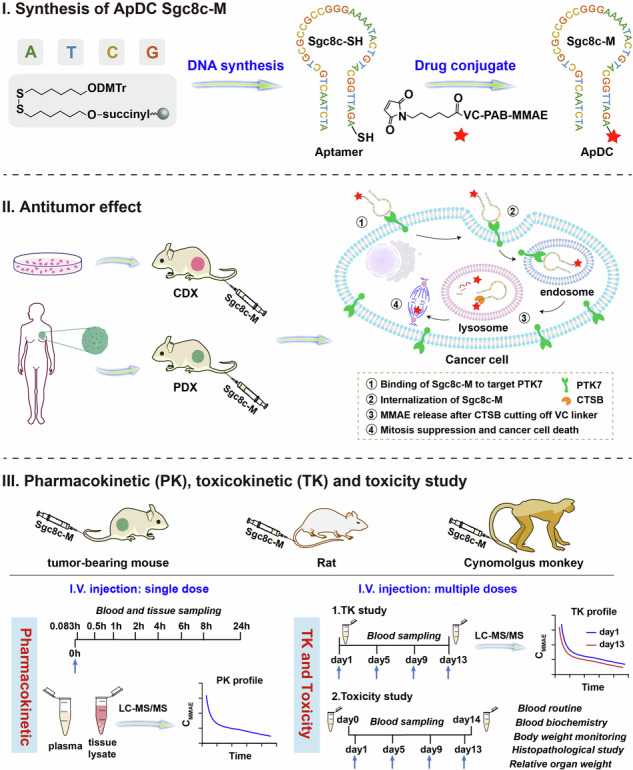
"An aptamer-drug conjugate for promising cancer therapy with comprehensive evaluation from rodents to non-human primates"
Published in Signal Transduction and Targeted Therapy on 24 September 2025, the study led by Academician Weihong TAN, Prof. Xiangsheng LIU, and Senior Engineer Jiaxuan HE reports the development and evaluation of Sgc8c-M, a PTK7-targeting aptamer-drug conjugate (ApDC). The team systematically assessed the antitumor efficacy, pharmacokinetics, toxicokinetics, and safety profile of Sgc8c-M across rodent and non-human primate models. This comprehensive preclinical evaluation provides essential data supporting the clinical translation of aptamer-drug conjugates as targeted cancer therapeutics.
Nature Communications
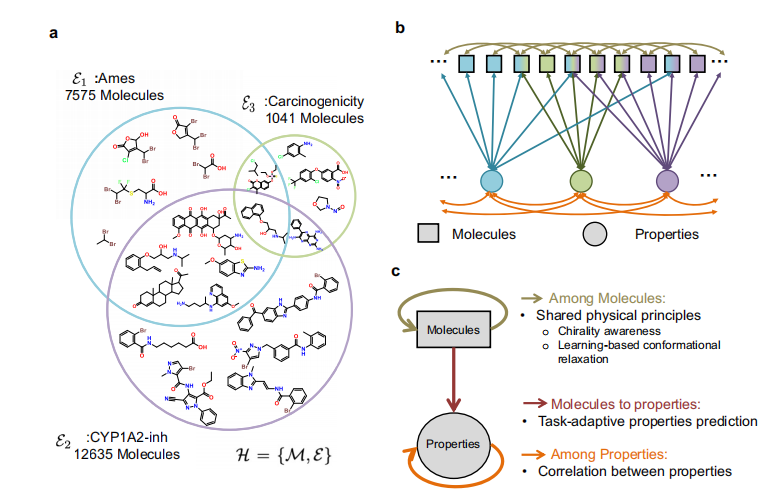
“Unified and explainable molecular representation learning for imperfectly annotated data from the hypergraph view”
Published in Nature Communications on 20 September 2025, the study led by Prof. Guangyong CHEN and collaborators presents OmniMol, a unified multi-task framework for molecular representation learning. The framework models molecule-property relationships as a hypergraph that captures property-property, molecule-property, and molecule-molecule associations. It employs a task-routed mixture-of-experts (t-MoE) mechanism to route different prediction tasks to relevant expert modules and incorporates an SE(3)-equivariant encoder to model 3D molecular conformations. OmniMol achieves state-of-the-art performance on multiple molecular property prediction benchmarks, excels in chirality-related tasks, and provides visual explanations of relational associations.
Nature Communications
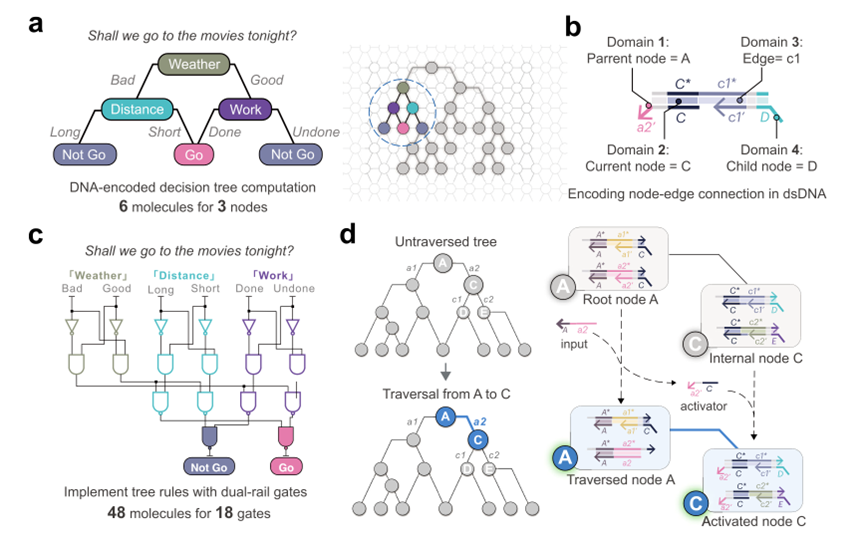
"Interpretable molecular decision-making with DNA-based scalable and memory-efficient tree computation"
Published in Nature Communications on 21 November 2025, the study led by Academician Weihong TAN, Prof. Da HAN, and Academician Chunhai FAN presents a DNA-based decision tree system. The system uses DNA sequences, structural features, and chemical modifications as decision nodes to perform IF-THEN logic operations in vitro. It can process multiple biomarker inputs to distinguish between tumor and healthy samples or classify disease subtypes. The design overcomes previous limitations in DNA computing related to interpretability, scalability, and system complexity.
Nature Communications
“IFN‑γ‑driven UBE2D3 upregulation impairs antigen presentation pathways and antitumor immunity in pancreatic cancer”
Published in Nature Communications on 29 November 2025, the study led by Prof. Weidong ZHANG and Prof. Jiangjiang QIN reveals a mechanism of immune evasion in pancreatic ductal adenocarcinoma. The team found that interferon-gamma (IFN-γ) upregulates the ubiquitin-conjugating enzyme UBE2D3, which impairs antigen presentation by mediating K63-linked ubiquitination of TAP2. Genetic inhibition of UBE2D3 restored antigen presentation and enhanced CD8⁺ T cell-mediated tumor surveillance. The researchers also developed QX-6, a candidate therapeutic derived from structural optimization of IJ-5, which enhances antitumor immunity and synergizes with KRASᴳ¹²ᴰ-specific TCR-T cell therapy.

Journal of the American Chemical Society
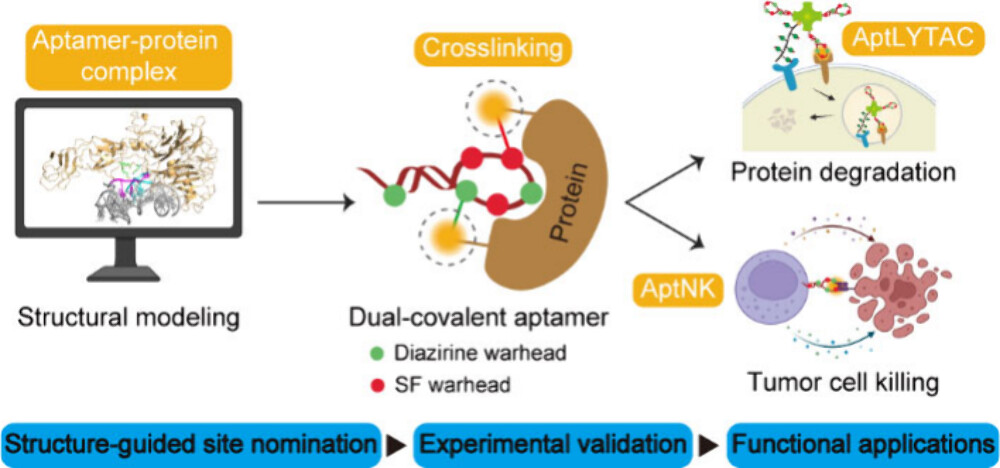
"Chemical Evolution of Double Covalent Aptamers for Sustained Protein Degradation and Improved Cytotoxicity in NK-Cell-Mediated Tumor Therapy"
Published in Journal of the American Chemical Society on 9 October 2025, the study led by Academician Weihong TAN and Prof. Yajun WANG established a proof-of-concept platform for converting conventional non-covalent aptamers into covalent binders through rationally designed reactive group placement. The resulting double covalent aptamers achieved sustained protein degradation and demonstrated superior therapeutic efficacy in NK-cell-mediated tumor therapy compared to their non-covalent counterparts, opening new avenues for irreversible target intervention using nucleic acid therapeutics. The work was highlighted by the Front Cover of JACS.
Journal of the American Chemical Society
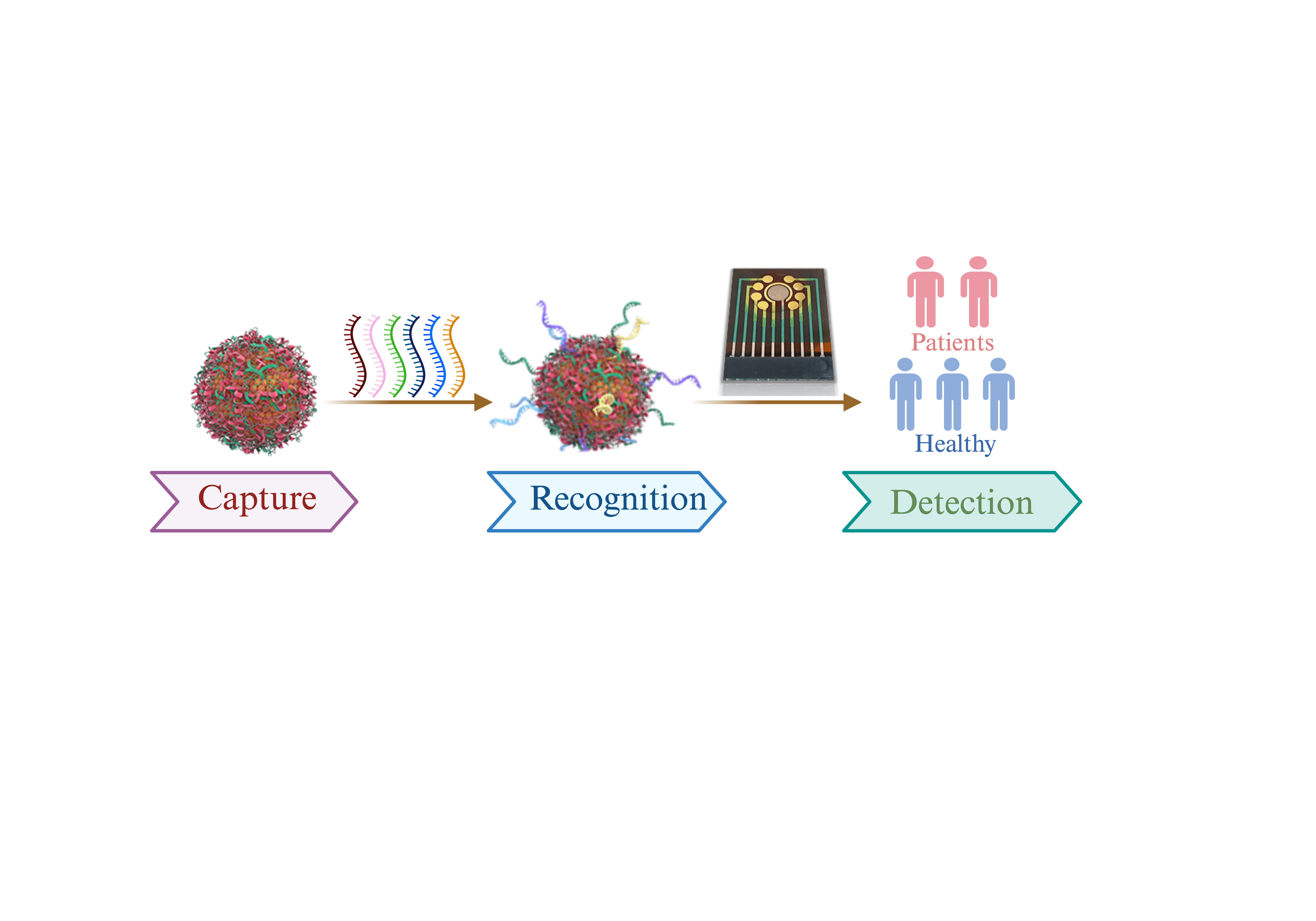
“Personalized Cancer-Specific Protein-Aptamer Corona for Orthogonal Multiplex Cancer Diagnosis”
Published in Journal of the American Chemical Society on 23 October 2025, the study led by Prof. Weihong TAN and Prof. Yuan Liu developed a novel analytical platform centered on the concept of a personalized protein-aptamer corona (PAC). This strategy leverages the spontaneous formation of a disease-specific protein corona on magnetic nanoparticles, which not only enriches low-abundance biomarkers but also creates a stabilized, nuclease-free nanobio interface for subsequent aptamer recognition. The integration of this PAC concept with an 8-channel orthogonal multiplexed electrochemical chip enables sensitive, amplification-free (PCR-free) signal transduction via alternating current voltammetry. By coupling this platform with machine learning algorithms, they translate complex, multiplexed aptamer binding signatures into a robust diagnostic output.
Angewandte Chemie International Edition
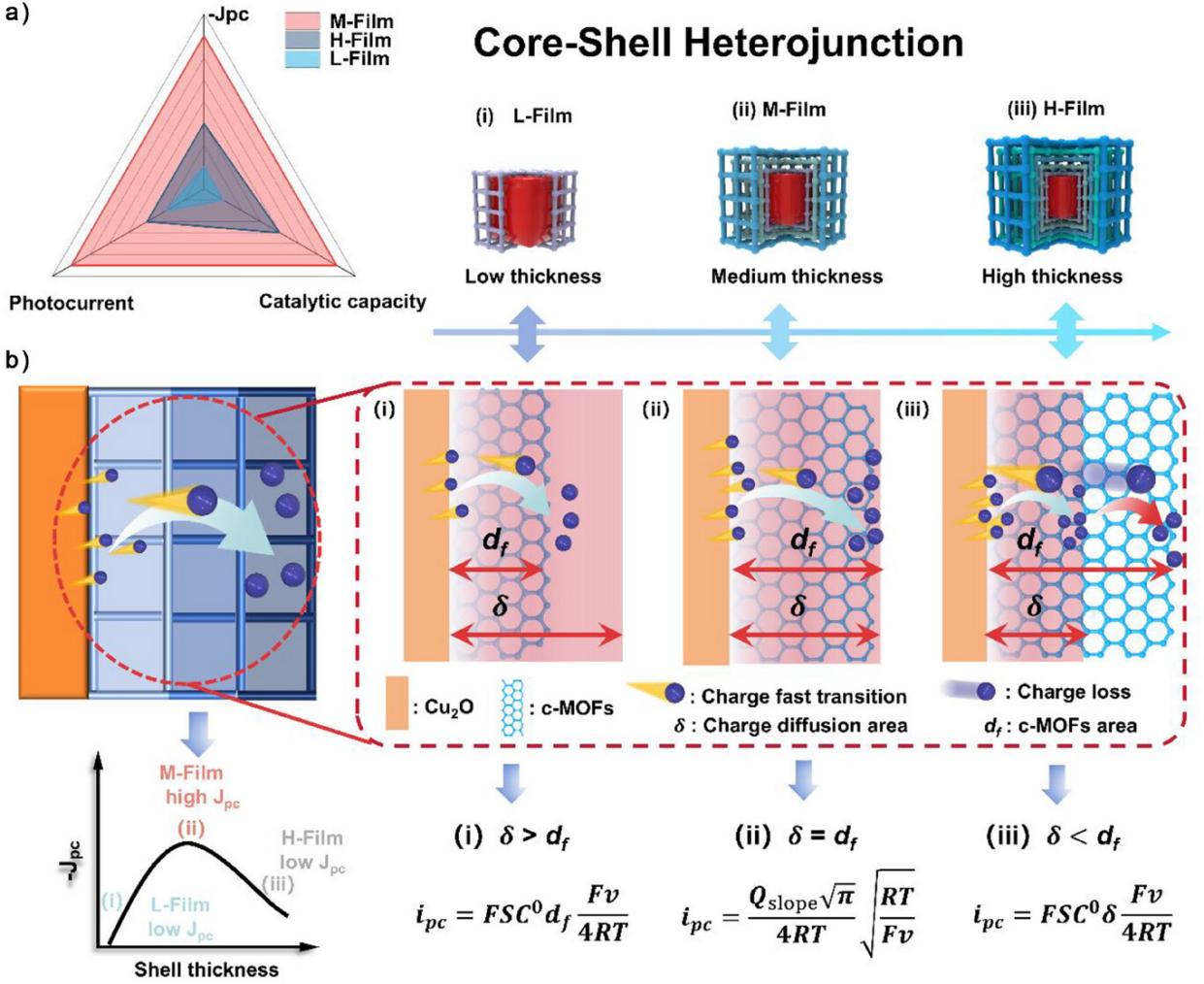
"Electroactive Model-Guided Design of Conductive Metal-Organic Framework Heterojunctions for Enhanced Photocatalytic Performance"
Published in Angewandte Chemie International Edition on 10 November 2025, the collaborative study led by Prof. Chuanhui HUANG, Prof. Zhenyu LIN and Prof. Wei LIN developed an electroactive model-guided strategy to optimize the heterojunction shell thickness in redox-active conductive metal-organic frameworks (c-MOFs). Using this approach, they fabricated a core-shell heterostructure Cu2O@Cu-HHTP with precisely controlled shell thickness, which exhibited significantly enhanced photoelectrochemical performance. Furthermore, by extending the strategy to other c-MOF-based heterojunction systems including Cu-OHPTP and Cu-DBC, the researchers demonstrated its versatility and broad applicability across frameworks with diverse structures. This model-driven design not only predicts optimal heterostructure configurations but also provides a pathway for developing high-performance functional materials.
Advanced Functional Materials
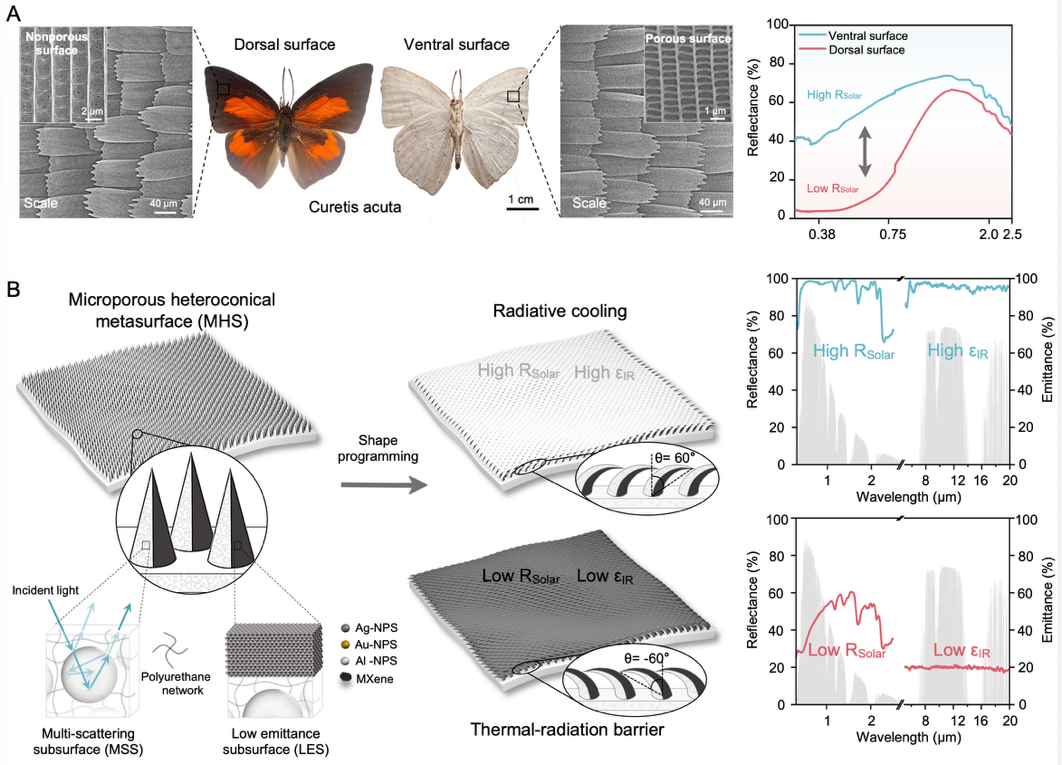
“Microporous Heteroconical Array for Reconfigurable Omnidirectional Radiative Thermal Management”
Published in Advanced Functional Materials in November 2025, the study led by Prof. Ziguang ZHAO presents a bio-inspired reconfigurable surface for adaptive thermal management. Inspired by the wing structure of Curetis acuta butterflies, the team developed a microporous heteroconical array based on shape-memory polyurethane films. Through selective multi-level sputtering of metal and inorganic nanomaterials, the array integrates both high-reflectance/high-emittance (“radiative cooling”) and low-reflectance/low-emittance (“thermal radiation shielding”) states, with switchable capability controlled by adjusting the inclination of the micro-cone array. The system demonstrates tunable solar reflectance and infrared emittance, ranging from approximately 97.4%/95.9% to 26.3%/25.7%. Simulation results based on global climate data indicate significant energy-saving potential in diverse climate zones. This reconfigurable surface offers a new design strategy for passive energy-saving building materials and provides potential low-energy thermal management solutions for medical facilities, mobile units, and high-density medical equipment.
Journal of Controlled Release
"Pulmonary delivery of small circular RNA vaccines for influenza prevention"
Published in Journal of Controlled Release on 10 November 2025, the collaborative study led by Professor Guizhi ZHU and Prof. Yu ZHANG developed a novel circular RNA-based influenza vaccine for pulmonary delivery. The vaccine targeting the conserved M2e antigen demonstrated superior protection and durability compared to linear mRNA vaccines in animal models. This needle-free vaccination approach induces targeted immune responses in the respiratory tract and offers potential as a universal influenza vaccine strategy.

Device
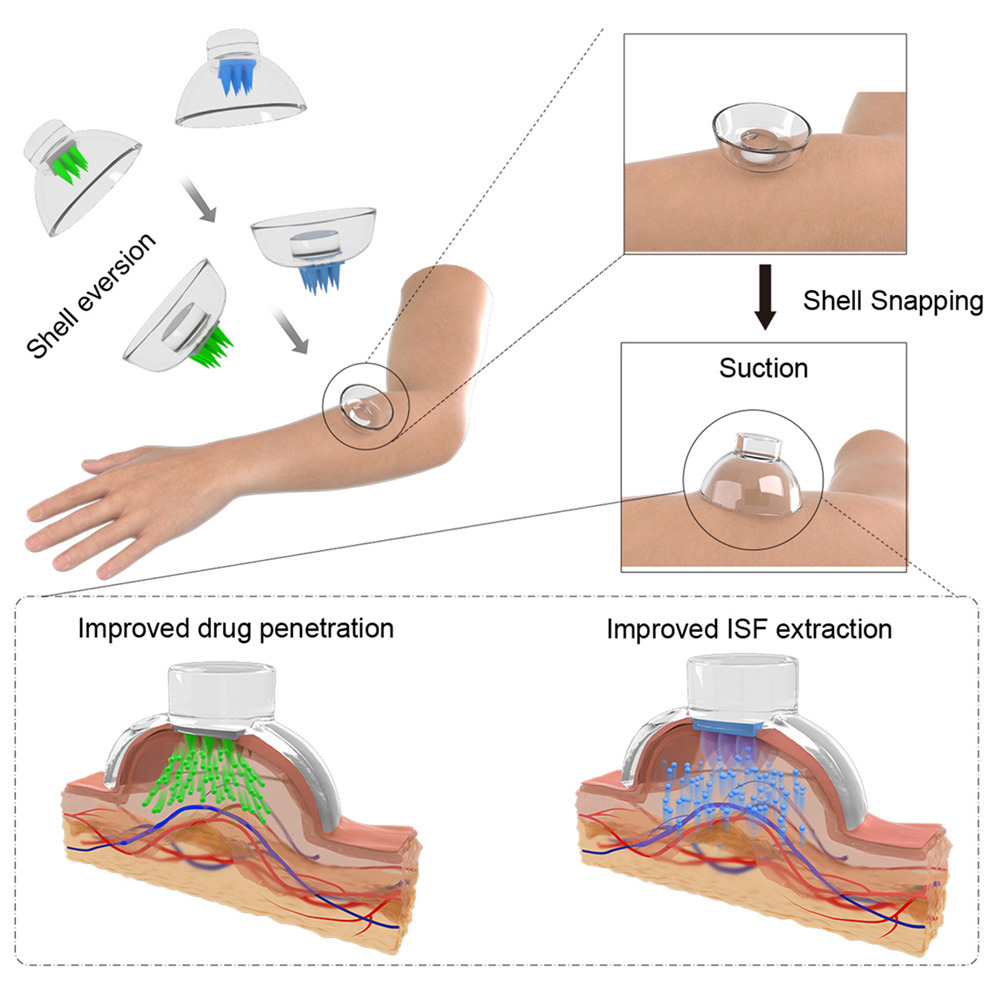
"Bistable suction device by shell eversion and snapping for microneedle-mediated transdermal delivery and sampling"
Published in Device on 31 October 2025, the study led by Prof. Hao CHANG invented a bistable suction device (BSD) inspired by flip-and-snap toys to enhance microneedle performance. The BSD mechanism ensures secure skin attachment and complete drug release while improving interstitial fluid sampling efficiency. This innovative approach addresses key limitations of conventional microneedle technologies and enables more effective transdermal drug delivery and diagnostic sampling.
Chemical Science
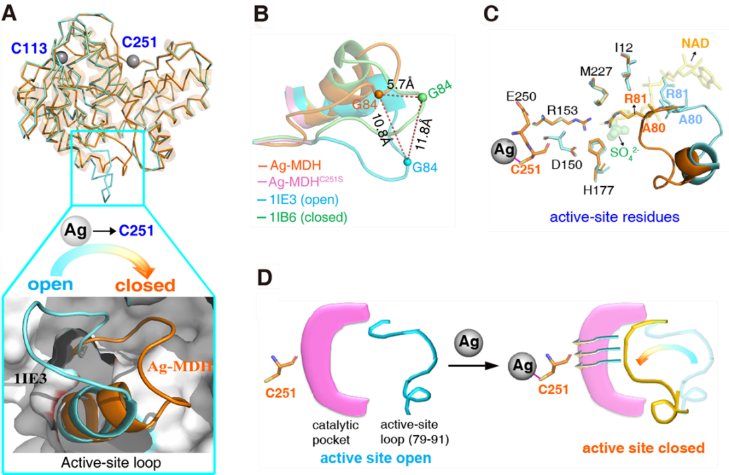
"Unprecedented allosteric inhibition of E. coli malate dehydrogenase by silver(I) from atomic resolution analysis"
Published in Chemical Science on 19 September 2025, the collaborative study led by Prof. Haibo WANG and Prof. Hongzhe SUN (The University of Hong Kong) provides the first atomic-level structural evidence for how silver ions (Ag⁺) inhibit bacterial metabolism via an allosteric mechanism. The team combined enzymatic analysis with high-resolution X-ray crystallography to study Escherichia coli malate dehydrogenase (MDH), a core TCA cycle enzyme. Their research revealed that Ag⁺ does not bind to the catalytic active site but instead coordinates to distal cysteine residues, notably Cys-251. This binding triggers an open-to-closed conformational transition that seals the active pocket, blocking substrate and cofactor binding and thereby abolishing enzyme activity. These findings clarify the fundamental antibacterial mechanism of silver and open new avenues for designing next-generation antibacterial agents by targeting hidden allosteric sites.
NeurIPS
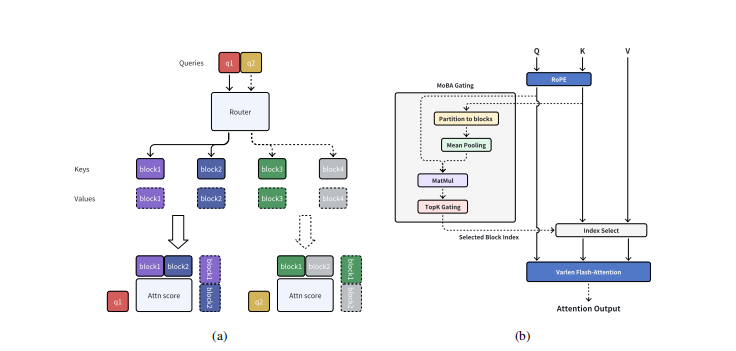
“MoBA: Mixture of Block Attention for Long-Context LLMs”
Published at NeurIPS in 2025 as a Spotlight paper, the study led by Prof. Jiezhong QIU, in collaboration with Moonshot and Tsinghua University, introduces Mixture of Block Attention (MoBA). This approach combines the Mixture of Experts (MoE) principle with sparse attention to enable efficient processing of long sequences while maintaining the Transformer architecture's flexibility. MoBA achieves comparable performance to full attention in language modeling loss, even for the end of sequences, while significantly reducing computational time — demonstrating 6.5× speedup at 1 million context length and 16× speedup at 10 million context length compared to full attention.
NeurIPS
“Protein Inverse Folding From Structure Feedback”
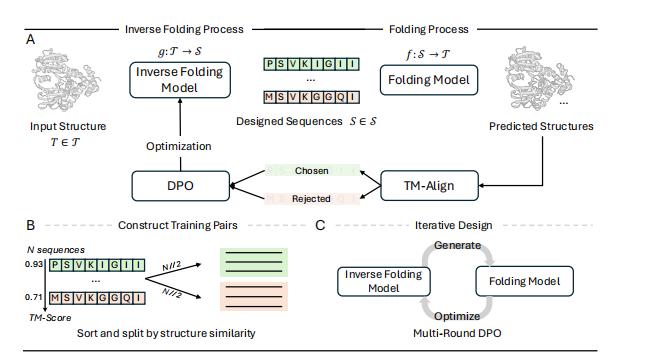
Published at NeurIPS in 2025, the study led by Prof. Jiezhong QIU and Prof. Guangyong CHEN, in collaboration with The Chinese University of Hong Kong, Zhejiang Lab, and MBZUAI, introduces a structure-feedback-based preference optimization framework for protein inverse folding. The method first samples candidate sequences using an inverse folding model, then predicts their 3D structures using a folding model, and constructs pairwise TM-Score comparisons to indicate structural superiority. The inverse folding model is then fine-tuned with Direct Preference Optimization (DPO) to prefer sequences that fold closer to the target structure. On the CATH 4.2 test set, DPO fine-tuning improved the average TM-Score from 0.77 to 0.81, with iterative optimization providing further gains for challenging structures. This approach offers a scalable, annotation-free paradigm for structure-aware protein sequence design.
Standardization Initiatives
Prof. Ning MA’s team at HIMCAS led the drafting of the "Guidelines for VR-based Postoperative Rehabilitation Integrated Training Platforms" (T/CIET 1576-2025) and was a key contributor to the "Technical Requirements for AI-based Cognitive Impairment Functional Training Systems" (T/CIET 1755-2025).
Media Recognition: CCTV Feature
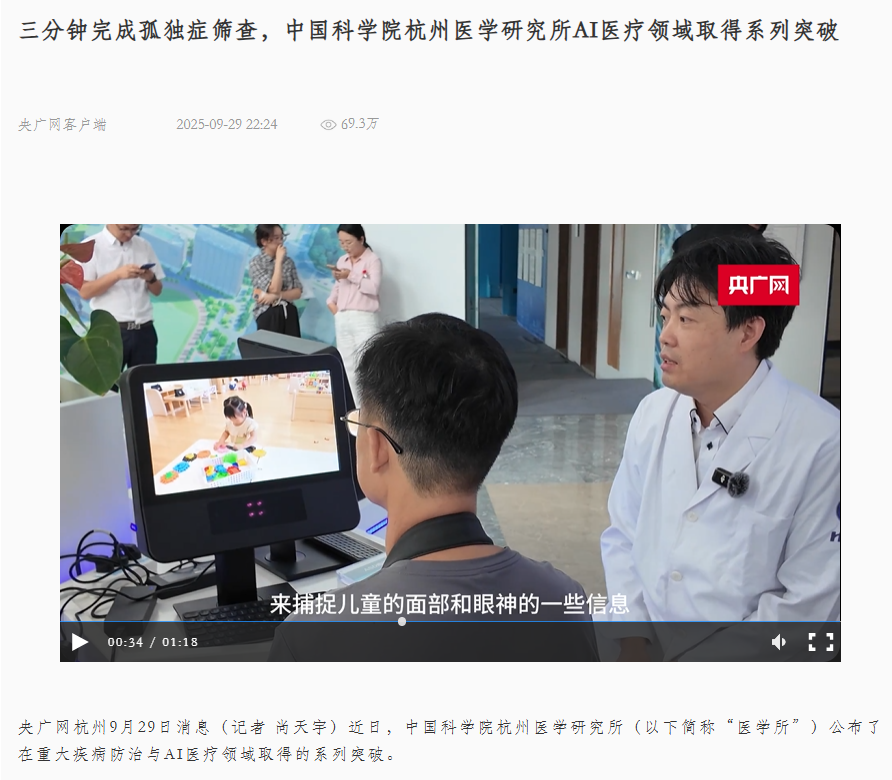
The AI and eye-tracking-based Autism Spectrum Disorder (ASD) screening system, developed by Prof. Ning MA’s team, was prominently featured by China Central Television on September 29, 2025. The coverage highlighted that the system reduces initial screening time from 30 minutes (comparable to an FDA-approved product) to just 3-5 minutes. It is low-cost and operable by non-specialists, lowering screening barriers. Deployed in pilot healthcare settings, it has served over 3,000 children with sensitivity and specificity exceeding 83%, aiding early detection and intervention for ASD.
Patents Filed
HIMCAS has filed multiple patents in the fields of nucleic acid therapeutics, diagnostic systems, biomedical devices, and AI-driven medical technologies, including:
- Nucleic acid sequence generation method based on reinforcement learning and context-free grammar
- Pre-stressed vascular chip
- In vivo screening method for nucleic acid aptamers and selected aptamers
- CD117-specific nucleic acid aptamer and applications
- Bladder cancer subtyping method and system based on aptamer differential analysis
- Protein phosphatase 1 regulatory subunit 26-binding aptamer, screening method and applications
- Aptamer-based chemiluminescence detection kit and preparation method
- Brush-structured polypeptide drug delivery system and preparation method
- GPRIN1 protein-binding aptamer, applications and screening method
- Microfluidic chip-based peroxisome isolation and enrichment method
- Deep learning-based rapid circulating tumor cell detection method
- Filtration microfluidic chip for circulating tumor cell separation
- Cancer treatment efficacy prediction method, device, equipment, and storage medium
- Multi-instance multi-task learning-based pan-cancer biomarker prediction method and system
- Chimeric molecule for chaperone HSP90-mediated targeted degradation of GPX4, and preparation method
- Chimeric molecule for HSP90 protein-mediated targeted degradation of GPX4, and preparation method
- Implantable self-healing porous microneedle patch and preparation method