The Hangzhou Institute of Medicine, Chinese Academy of Sciences (HIMCAS) and its affiliated Cancer Hospital (Zhejiang Cancer Hospital) continue to advance their role as a national strategic force in biomedical innovation. Between March and May 2026, multiple research teams reported a series of high-impact publications spanning structural biology, computational biology, oncology, immunotherapy, biomaterials, and translational medicine. Collectively, these studies reflect an expanding global presence in molecular medicine and precision therapeutics.
Nature Structural & Molecular Biology (Published March 2026)
“Condensate protein aggregation in ALS/FTD is regulated by GGGGCC-repeat RNA scaffolds”
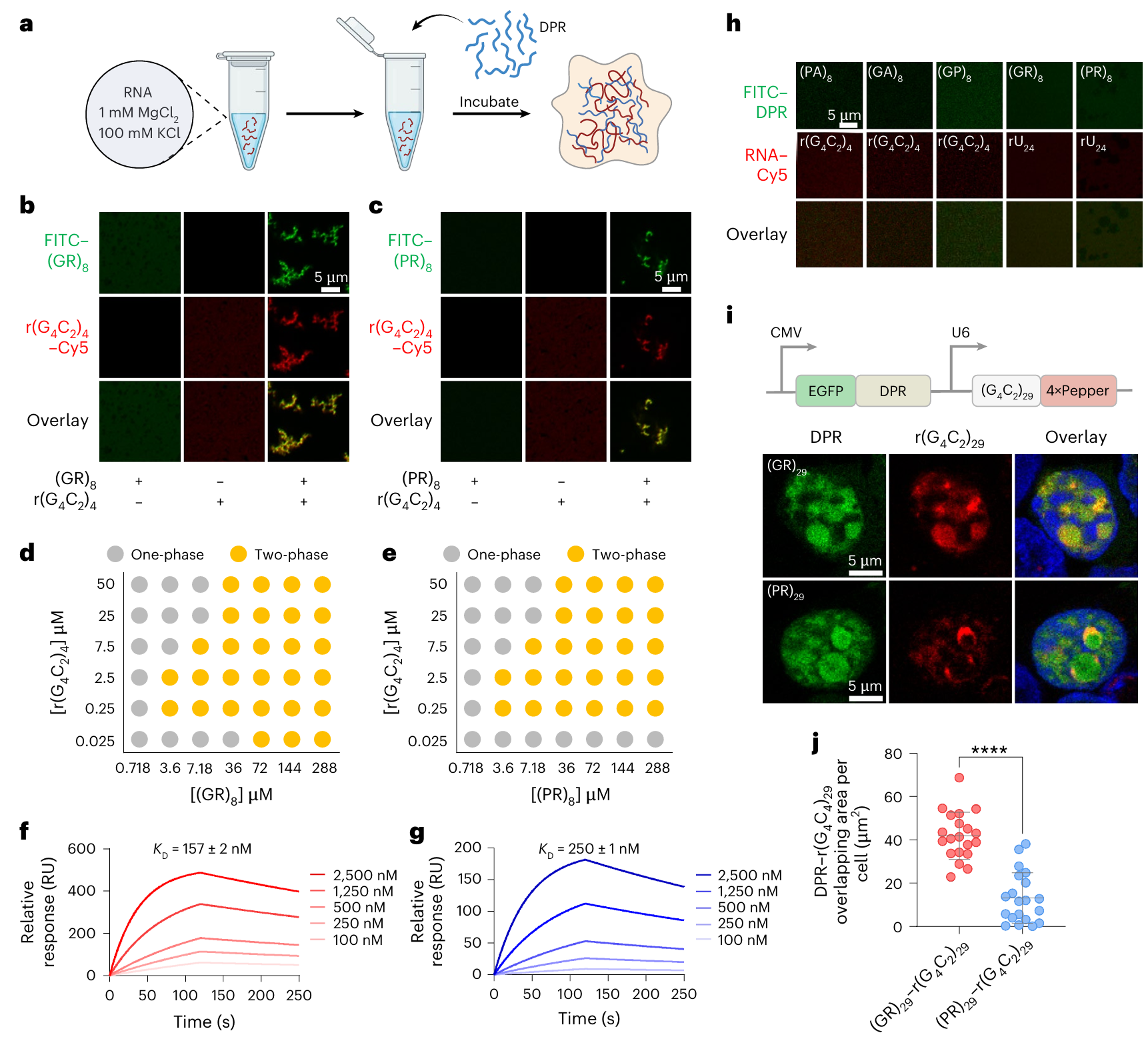
Protein aggregation driven by intrinsically disordered proteins is a hallmark of neurodegenerative diseases, yet remains challenging to therapeutically target. In ALS/FTD, GGGGCC repeat expansion in C9orf72 generates both toxic RNA foci and dipeptide repeat proteins such as poly(GR), but their cooperative role in pathological condensates has remained unclear.
Prof. HAN Da and Prof. GUO Pei demonstrated that GGGGCC-repeat RNA functions as a structural scaffold that promotes phase separation and aggregation of poly(GR) proteins. RNA G-quadruplex and hairpin structures were identified as critical regulators of condensate formation and maturation. Importantly, simultaneous targeting of these RNA structural elements significantly inhibited protein aggregation, revealing a cooperative RNA–protein pathogenic mechanism and expanding therapeutic strategies for neurodegenerative diseases.
Nature Computational Science (Published March 2026)
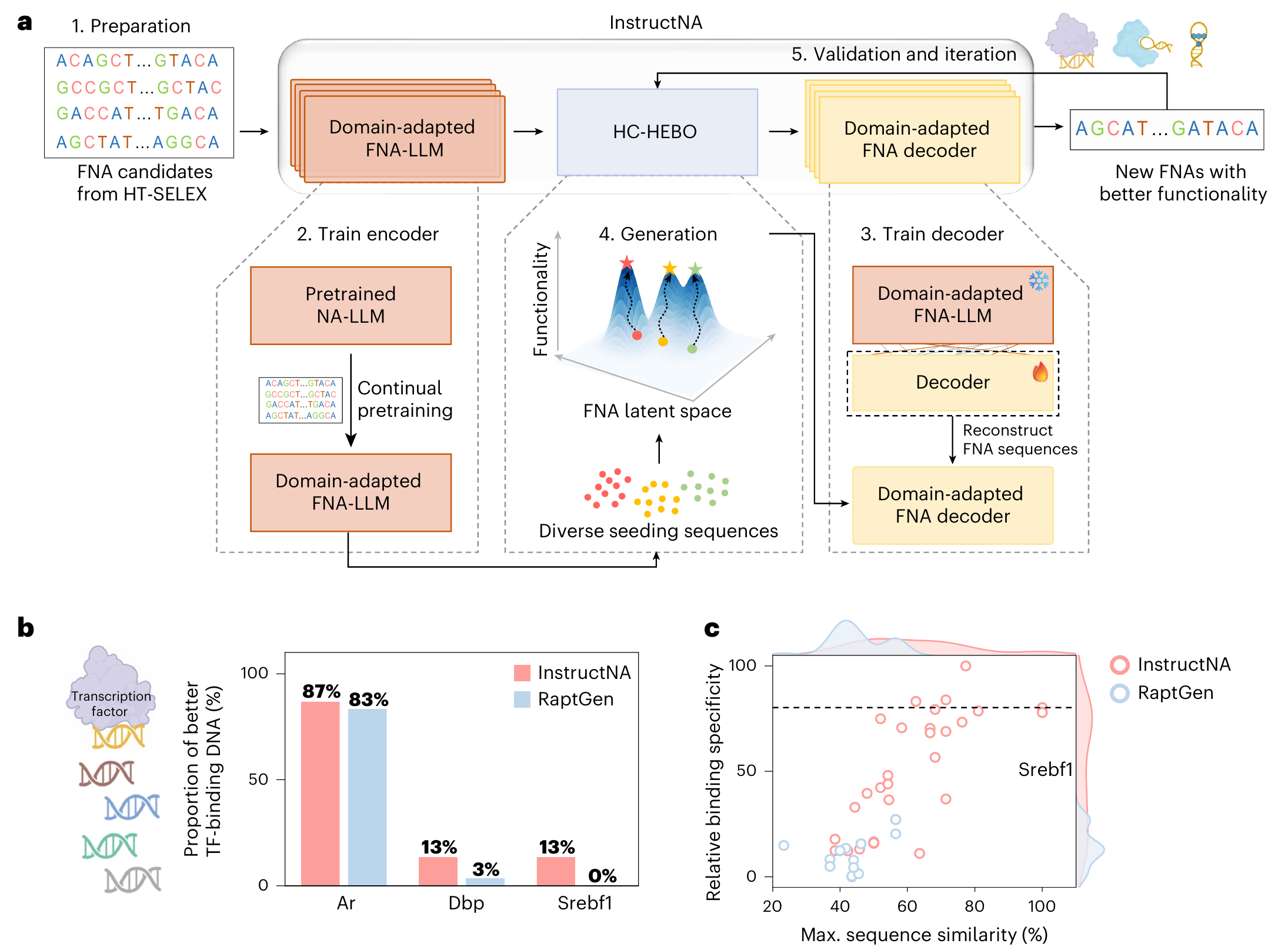
“De novo design of functional nucleic acids of aptamers”
Functional nucleic acids such as aptamers are traditionally discovered through SELEX-based experimental evolution, a process that is labor-intensive, time-consuming, and constrained by experimental bias.
Prof. HAN Da, Prof. CHEN Guangyong, Prof. GUO Pei, and Prof. QIU Jiezhong developed InstructNA, a generative AI framework for nucleic acid design. By integrating nucleotide language models, HT-SELEX datasets, and Bayesian optimization, the system enables efficient de novo generation of functional nucleic acids with improved activity and diversity. This work establishes a paradigm shift from experimental evolution to AI-driven molecular design.
Cancer Discovery (Published March 2026)
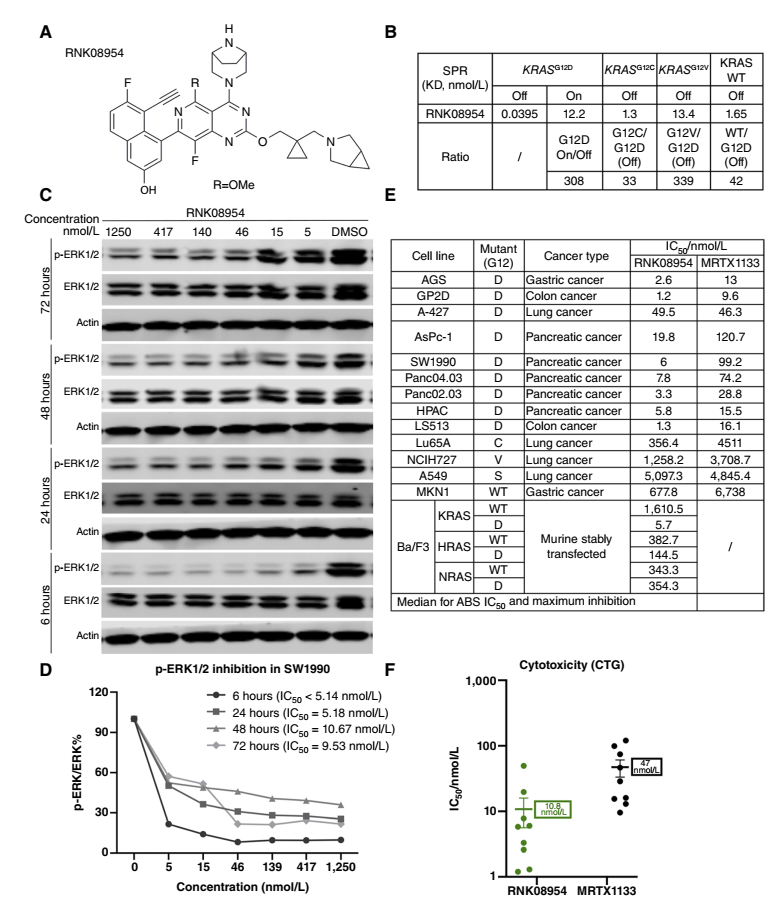
“Preclinical Characterization and Clinical Activity of RNK08954, a Highly Selective and Orally Bioavailable KRASG12D Inhibitor”
KRAS G12D is one of the most challenging oncogenic drivers in solid tumors due to the absence of suitable druggable binding pockets, representing a major unmet clinical need.
Prof. SONG Zhengbo and collaborators at RAINO Biopharma report RNK08954, a novel non-covalent, orally bioavailable, and highly selective KRASG12D inhibitor. The compound forms a high-affinity salt-bridge interaction with KRASG12D and effectively suppresses downstream MAPK and PI3K signaling pathways.
Preclinical studies demonstrate strong antitumor activity across CDX, PDX, and orthotopic models with favorable safety profiles. Early Phase I clinical results (NCT06667544) in 42 patients with KRAS-mutant solid tumors show encouraging safety and preliminary efficacy, supporting further clinical development.
Signal Transduction and Targeted Therapy (Published April 2026)
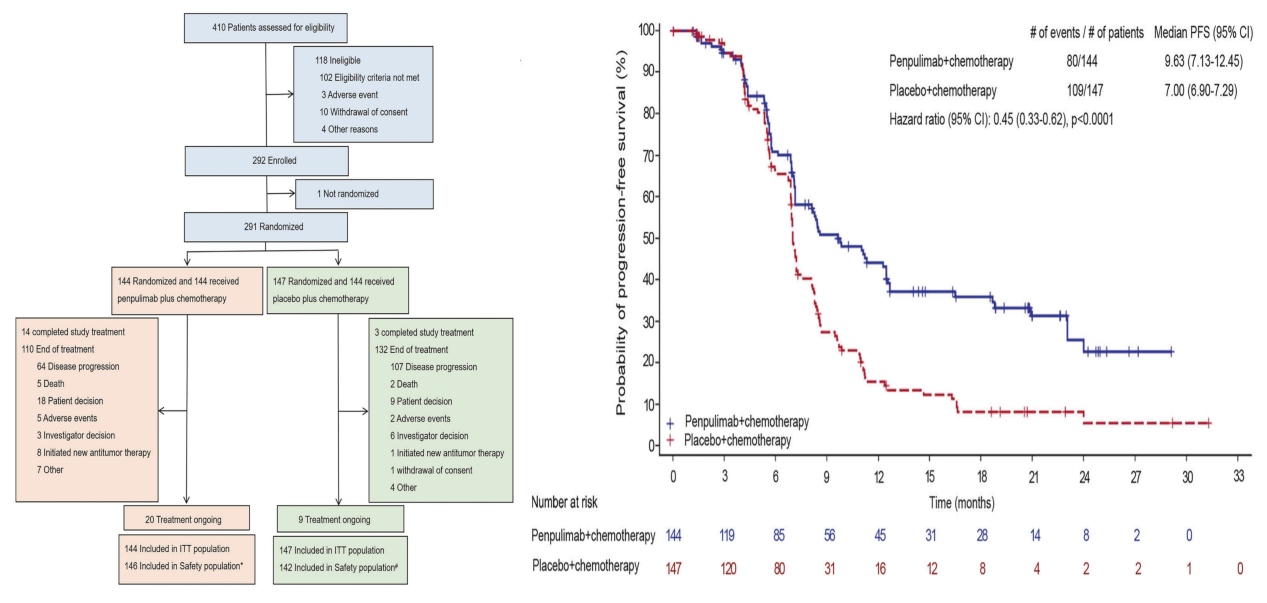
“Anti-PD-1 antibody penpulimab plus chemotherapy for recurrent or metastatic nasopharyngeal carcinoma: a randomized, double-blind phase 3 study”
Recurrent or metastatic nasopharyngeal carcinoma remains a clinically challenging disease with limited long-term therapeutic outcomes. Immunotherapy combined with chemotherapy has emerged as a promising treatment strategy, but optimization of efficacy and safety remains necessary.
Prof. CHEN Xiaozhong, Prof. HUANG Shuang, and collaborators conducted a multicenter Phase III randomized trial across 46 institutions evaluating penpulimab plus chemotherapy. The combination significantly improved median progression-free survival (9.63 vs. 7.00 months; HR 0.45, P < 0.0001), with consistent benefit across all predefined subgroups and a manageable safety profile, supporting its use as a first-line treatment option.
Journal of the American Chemical Society (Published April 2026)
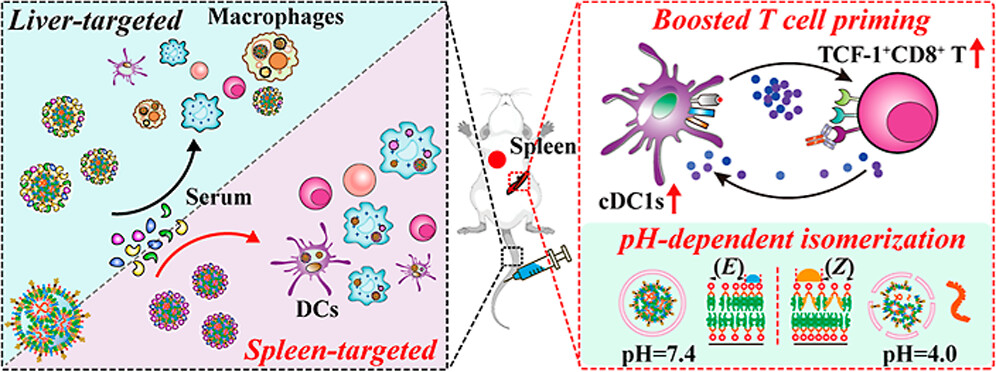
“A DNA Origami-Based Cobweb Facilitates Precise and Receptor Interference Free Modification of Extracellular Vesicle Mimetic for Enhanced Delivery Efficacy”
Extracellular vesicle mimetics are promising drug delivery platforms due to their biocompatibility and natural biological origin. They are widely studied for therapeutic delivery applications. However, precise surface modification remains challenging because conventional approaches may disrupt native membrane proteins.
Prof. HAN Da and Prof. TANG Qian developed a DNA origami-based “cobweb” nanostructure that enables highly precise and receptor-interference-free surface modification. This strategy significantly enhances targeted delivery efficiency while preserving native membrane functionality.
Journal of the American Chemical Society (Published May 2026)
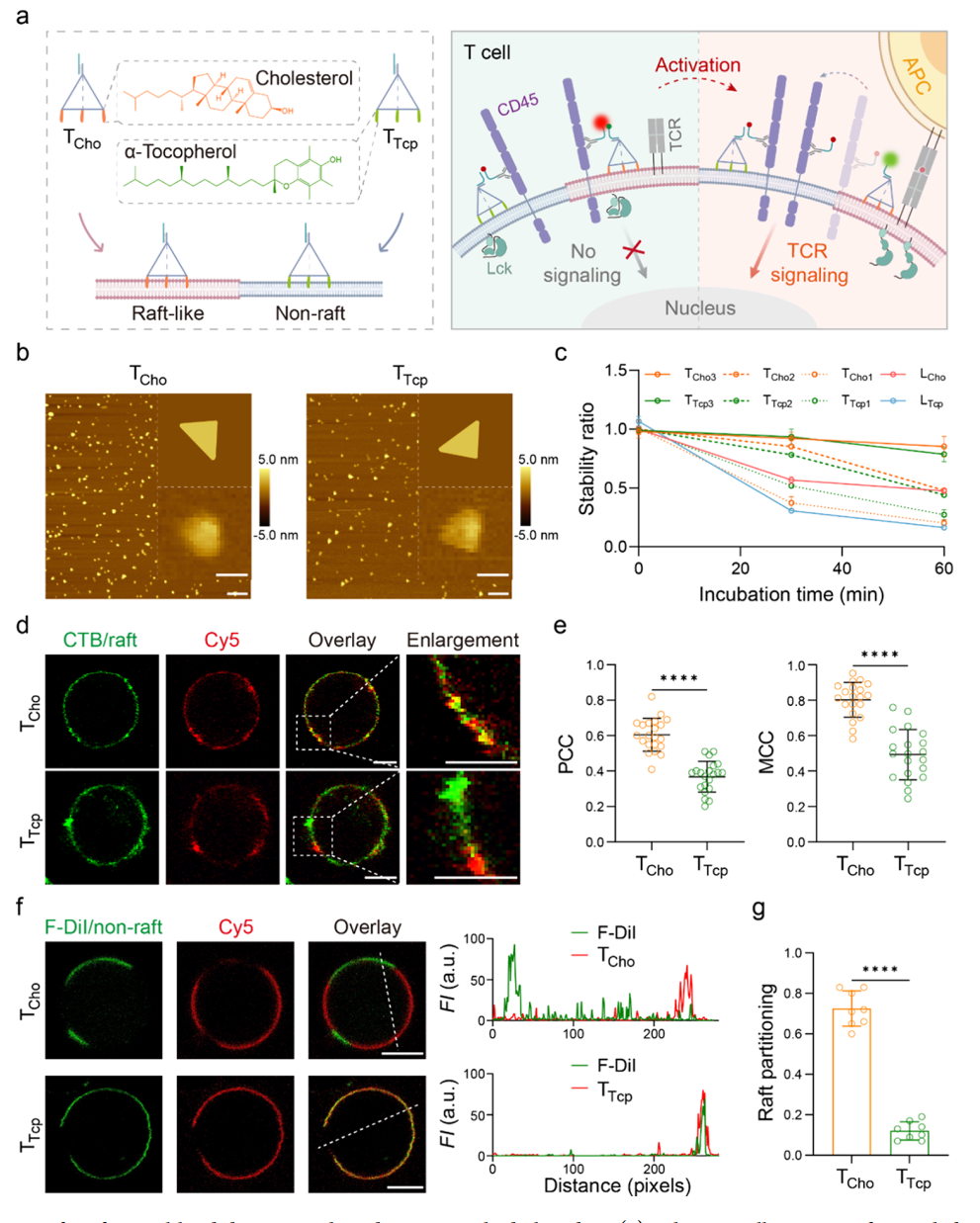
“DNA-Based FRET Nanoscopy Reveals Rapid CD45 Exclusion from Raft-like Domains upon T-Cell Receptor Signaling”
Membrane lipid domains are nanoscale and highly dynamic structures. These properties make it difficult to directly visualize protein redistribution during immune activation. This limitation has hindered detailed understanding of membrane-associated signaling events.
Prof. QIU Liping and colleagues developed a DNA-based FRET nanoscopy platform to monitor CD45 dynamics in living cells. They demonstrate that T-cell receptor activation triggers rapid exclusion of CD45 from raft-like domains through cytoskeletal and lipid remodeling, providing mechanistic insight into T-cell activation.
Advanced Materials (Published April 2026)
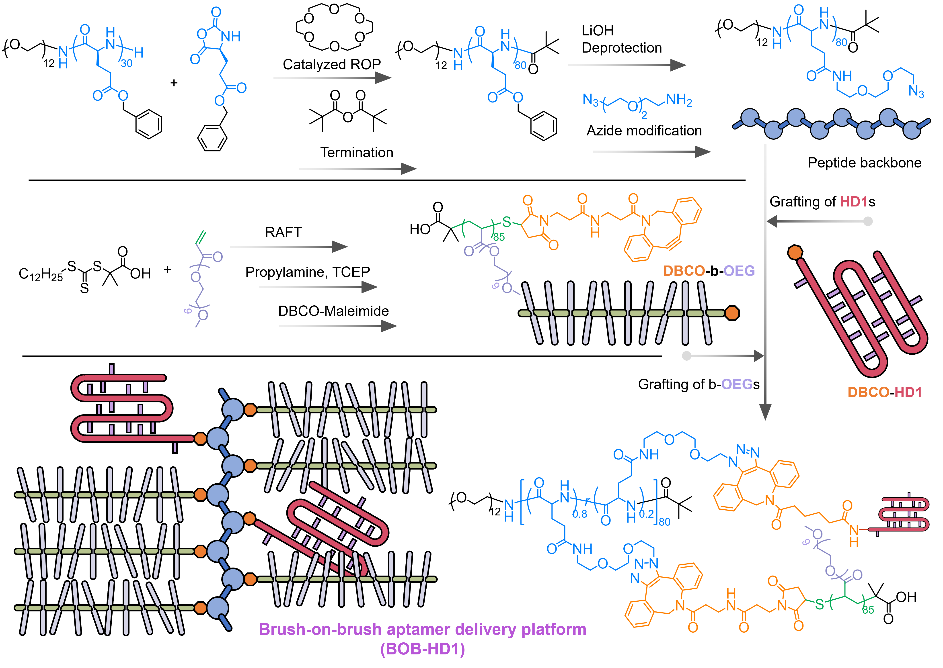
“Brush-on-Brush Architecture Enables Durable and Reversible Aptamer Therapeutics With Minimal PEG Associated Immunogenicity”
However, their clinical translation is limited by instability, rapid renal clearance, and PEG-associated immunogenicity. These challenges significantly reduce their therapeutic effectiveness in vivo.
Prof. JIA Fei and colleagues developed a brush-on-brush (BOB) nanostructure that enhances stability, enables reversible shielding, and improves biocompatibility. This platform significantly advances the translational potential of aptamer-based therapeutics.
Angewandte Chemie International Edition (Published May 2026)
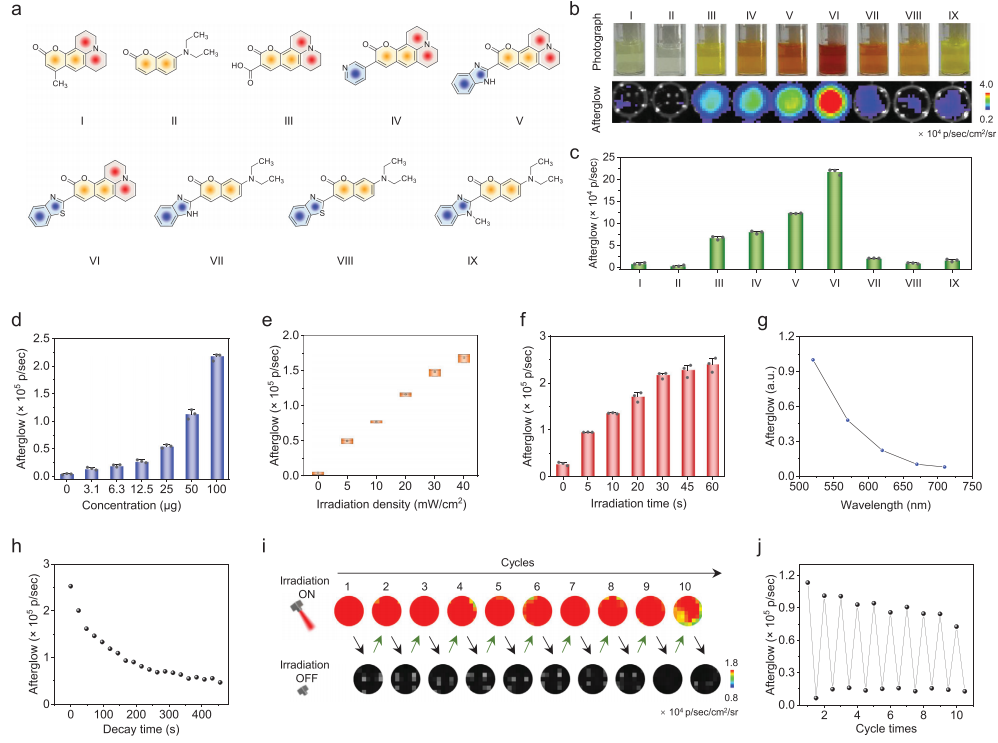
“Engineering Coumarin-Based Afterglow Luminescence Probes for Activatable Imaging Peroxynitrite In Vivo”
Fluorescence imaging is widely used for biological studies. However, its performance is often limited by background signal interference. This restricts its sensitivity in disease-related imaging applications.
Prof. TAN Weihong, Prof. WANG Youjuan, and Prof. WANG Xueqiang report coumarin-based long-afterglow probes for activatable imaging of peroxynitrite. These probes enable high-contrast imaging in disease models, providing a robust tool for in vivo diagnostic applications.
Molecular Cancer (Published April 2026)
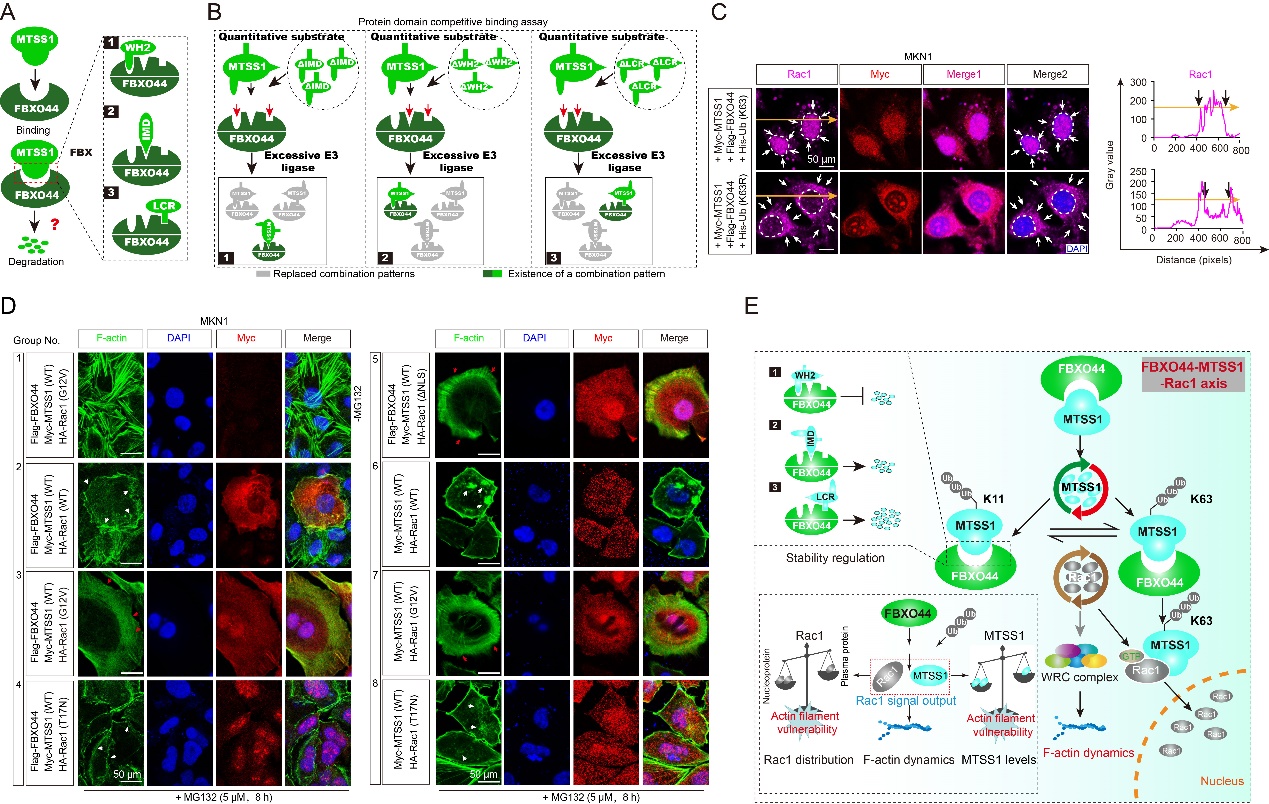
“MTSS1-dependent ubiquitin modifications mediated by FBXO44 remodel the actin cytoskeleton to promote gastric cancer progression”
Actin cytoskeleton remodeling plays a central role in cancer progression. It is closely associated with tumor cell migration and invasion. However, regulatory mechanisms controlling this process remain incompletely understood.
Prof. QIN Jiangjiang and colleagues identify FBXO44 as a regulator of Rac1 nuclear–cytoplasmic transport via MTSS1-dependent ubiquitination. This pathway promotes cytoskeletal remodeling and gastric cancer progression, highlighting a potential therapeutic target.
Advanced Science (Published May 2026)
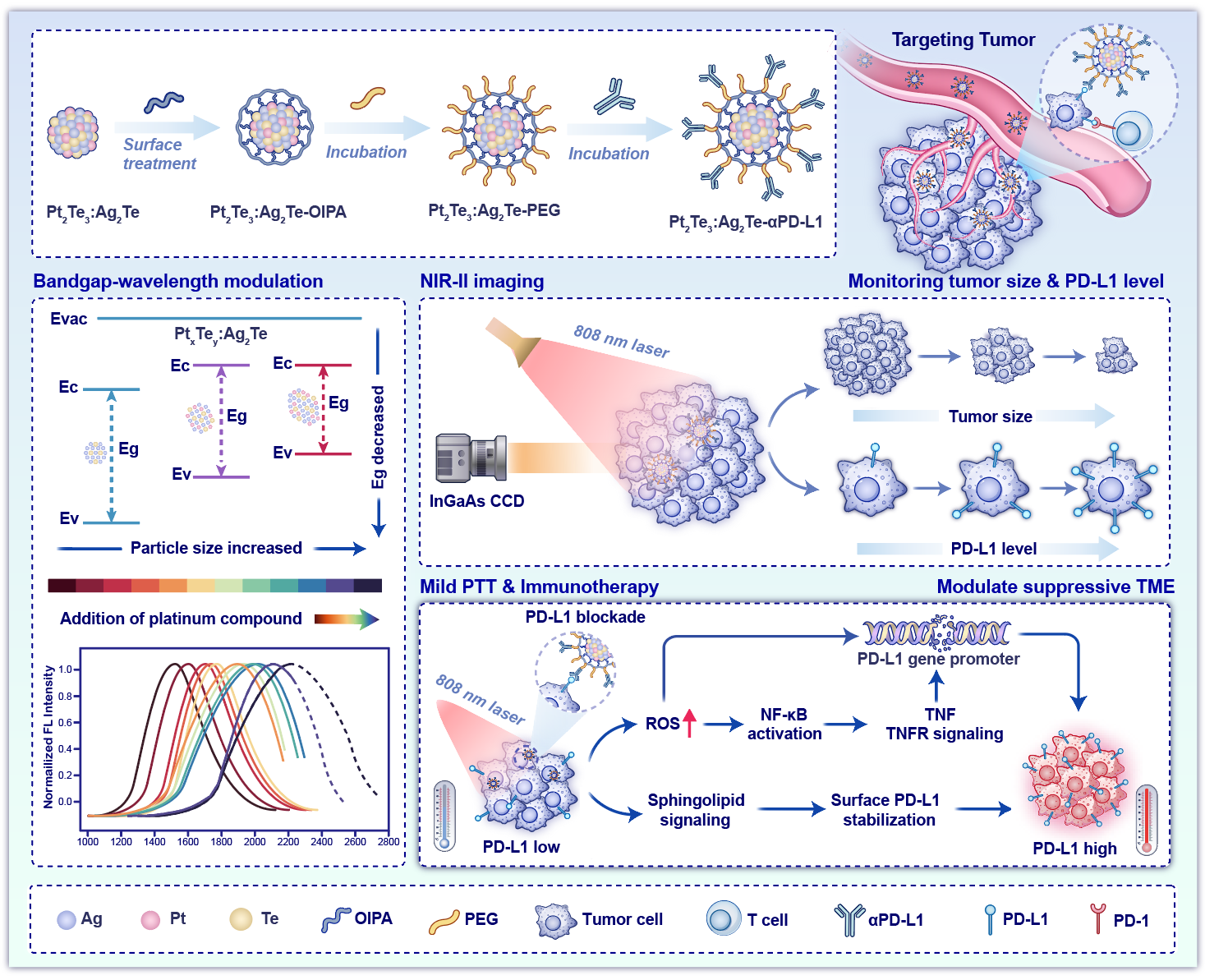
“Bandgap-Engineered PtxTey:Ag₂Te Composite Quantum Dots Enable Programmable NIR-II Imaging and Photothermal-Immune Synergistic Therapy”
Deep-tissue imaging and precise tumor therapy remain major challenges in oncology. These challenges are particularly significant for non-invasive cancer treatment strategies. Improving imaging depth and therapeutic synergy is a key research focus.
Prof. WANG Haibo and Prof. TIAN Zhiquan developed a NIR-IIb nanotheranostic platform based on Pt₂Te₃:Ag₂Te quantum dots conjugated with anti-PD-L1. The system enables deep-tissue imaging and photothermal-immunotherapy synergy for programmable cancer treatment.
Molecular Therapy (Published May 2026)
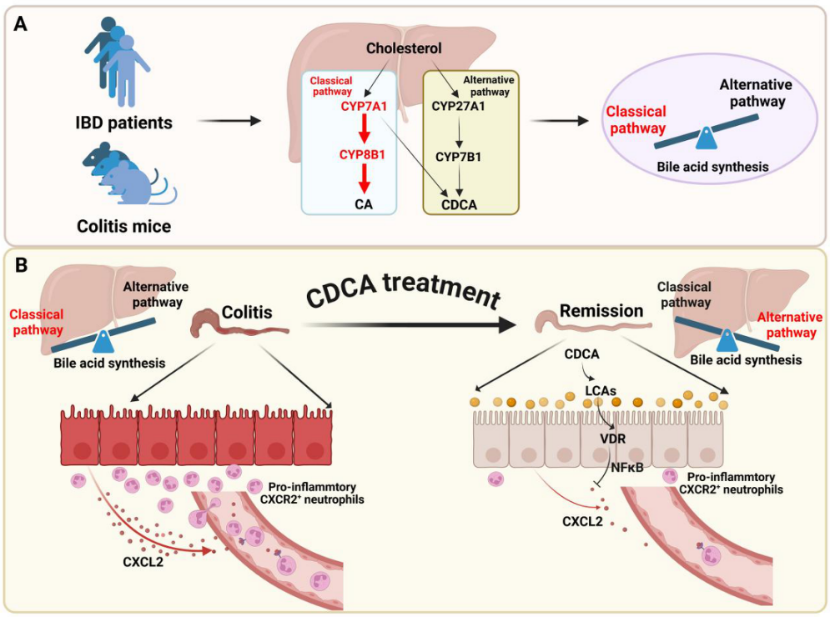
“Chenodeoxycholic acid redirects the bile acid synthetic pathway to limit pro-inflammatory neutrophil infiltration and alleviate colitis”
Inflammatory bowel disease involves both metabolic dysregulation and immune imbalance. These processes contribute to chronic intestinal inflammation. The role of bile acid pathway remodeling in this process remains unclear.
Prof. HAN Weidong and colleagues show that chenodeoxycholic acid (CDCA) redirects bile acid synthesis toward alternative pathways, suppressing CXCL2-mediated neutrophil recruitment via VDR/NF-κB signaling and alleviating intestinal inflammation.
Journal of Controlled Release (Published April 2026)
“Selective tumor lysis by charge-alternating spherical membrane-lytic peptide bottlebrushes via redox backbone degradation and pH-gated unmasking”
Membrane-lytic peptides are powerful anticancer agents. However, their clinical use is limited by instability and off-target toxicity. These limitations significantly hinder therapeutic application.
Prof. JIA Fei and colleagues engineer charge-switchable bottlebrush peptide assemblies that enable tumor-selective activation via redox- and pH-responsive mechanisms, improving stability, circulation, and targeting precision.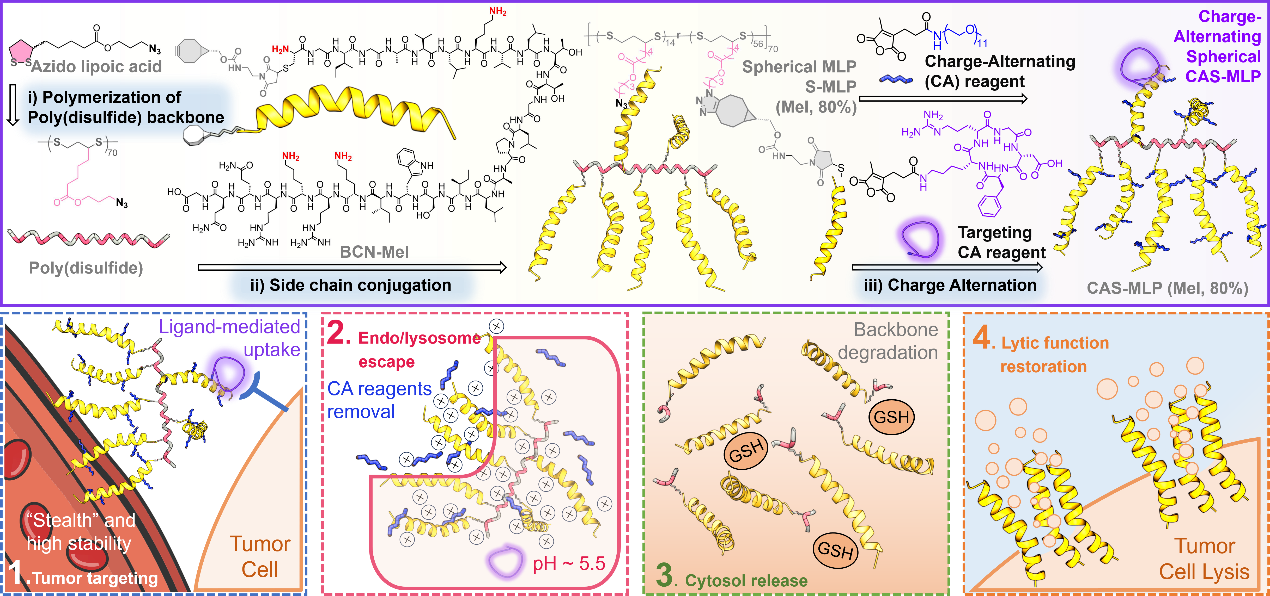
Acta Biomaterialia (Published March 2026)
“Mucin-inspired bottlebrush polymer hydrogel for postoperative adhesion prevention
Postoperative tissue adhesion is a common clinical complication. It can lead to long-term discomfort and functional impairment. Effective preventive strategies remain limited.
Prof. JIA Fei and colleagues developed a mucin-inspired bottlebrush hydrogel that mimics the lubrication and self-healing properties of natural mucus. The material functions as a biodegradable anti-adhesion barrier, reducing tissue friction and postoperative inflammation.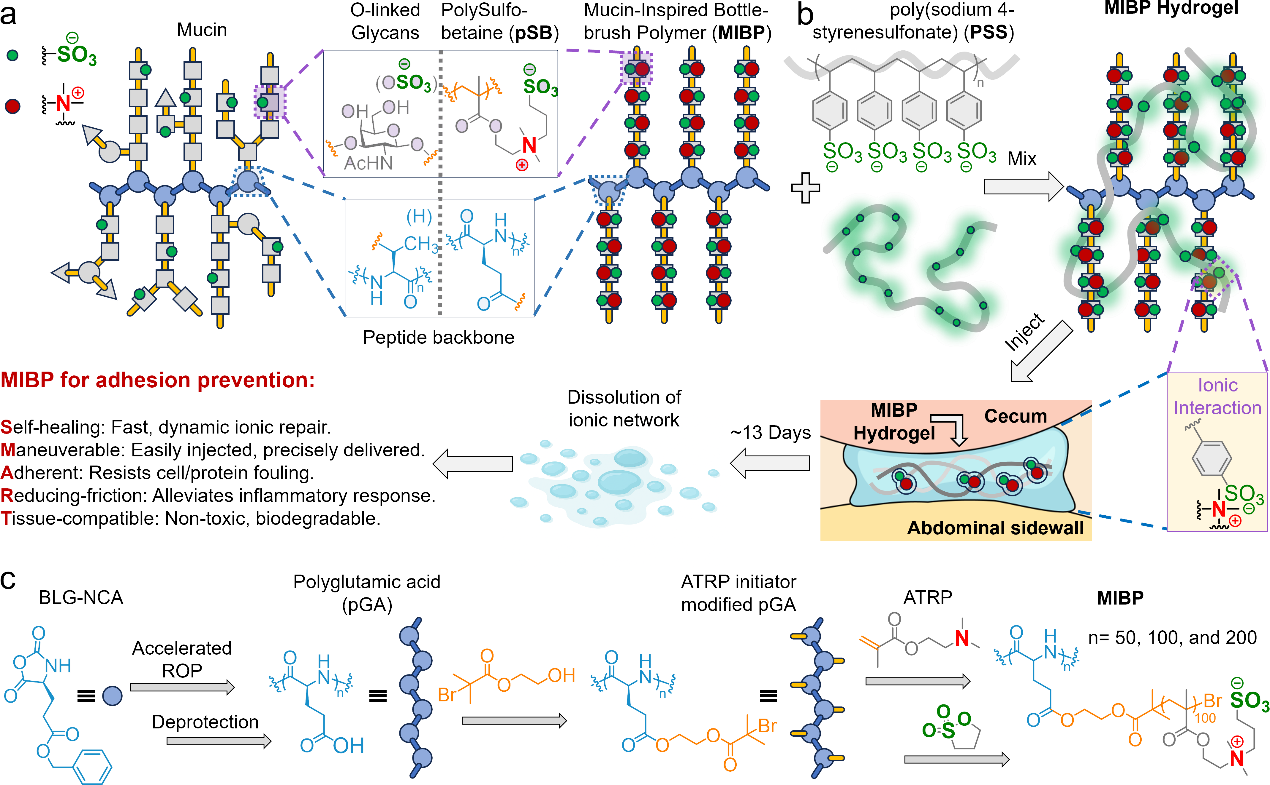
Brain Science and Child Development (Published June 2026)
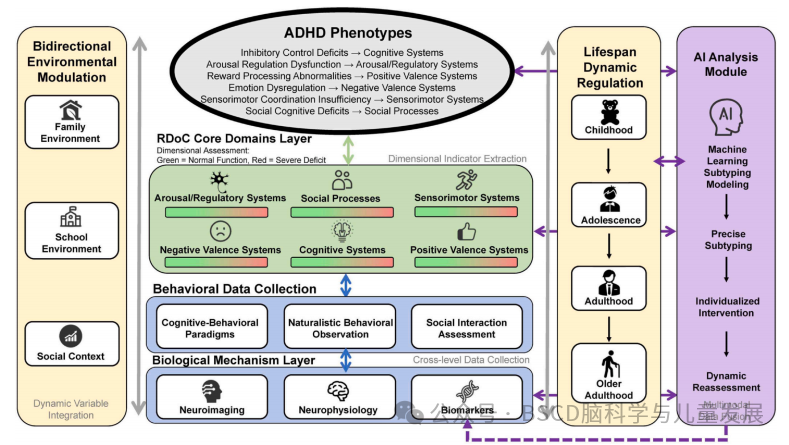
“Precision assessment and subtyping of attention-deficit/hyperactivity disorder (ADHD) under the RDoC framework: Methodological advances, integration pathways, and efficacious intervention practices”
ADHD is a neurodevelopmental disorder with high clinical heterogeneity and prevalence in childhood. Traditional diagnostic systems rely primarily on symptom-based classification schemes. However, such approaches fail to capture underlying neurobiological and individual variability.
Prof. MA Ning and colleagues review ADHD research under the RDoC framework, highlighting multidimensional, mechanism-based approaches for diagnosis and intervention. The study emphasizes a shift toward precision psychiatry based on biological and cognitive subtyping.