This roundup presents research highlights from the Hangzhou Institute of Medicine, Chinese Academy of Sciences, and its affiliated hospital (Zhejiang Cancer Hospital) for June–August 2026. It also includes an update on a brain–computer interface competition.
I. Hangzhou Institute of Medicine, Chinese Academy of Sciences
01 Programmable nucleic acid delivery
Nature Biomedical Engineering (3 June 2026) | Read the paper
“Modular nucleic acid-based construct for delivery of immunostimulatory agonists and oncogene-silencing oligonucleotides in tumours”
Published in Nature Biomedical Engineering on 3 June 2026, the study led by Academician Weihong TAN and Prof. Penghui ZHANG reported o-FLARE (circular functional molecular torch), a programmable assembly platform that integrates multiple functional nucleic acid modules onto a circular single-stranded DNA template. This Lego-like modular design enables tumor-targeted delivery of nucleic acid drugs, addressing challenges of rapid clearance, off-target accumulation, and poor cellular uptake that have hindered systemic delivery of nucleic acid therapeutics beyond the liver.
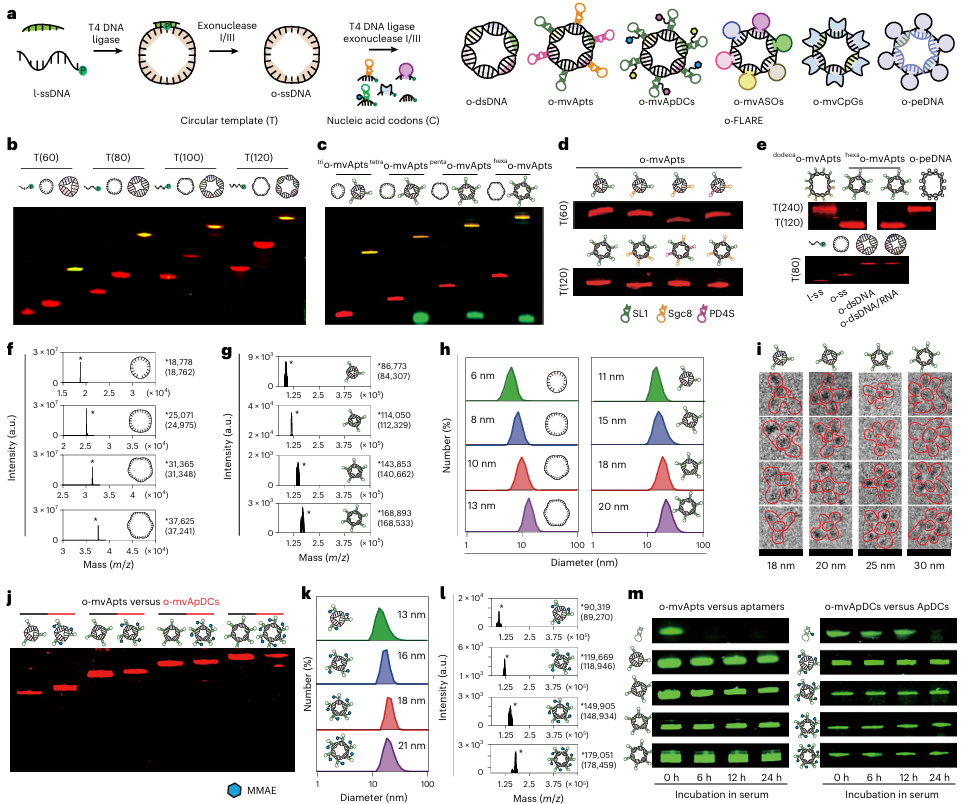
Figure 1. Programmable assembly and experimental evaluation of o-FLARE.
02 Wireless hydrogen sulfide sensing
Nature Communications (19 August 2026) | Read the paper
“A robust high-performance H2S sensor enabling real-world wireless monitoring”
Published online in Nature Communications on 19 August 2026, the collaborative study led by Prof. Chuanhui HUANG and Prof. Gianaurelio Cuniberti developed a high-performance wireless ultra-low-power H2S sensing platform. Using MOF-derived materials with synergistic grain boundary and Schottky interface engineering, the device operates at room temperature with power consumption below 0.7 μW, H2S response exceeding 10,000%, a calculated detection limit of 0.328 ppb, response time of approximately 7 s, and stability over 450 days. Integrated with low-power wireless modules, the platform enables real-time monitoring of food spoilage, industrial pipeline leaks, and H2S accumulation in confined spaces.
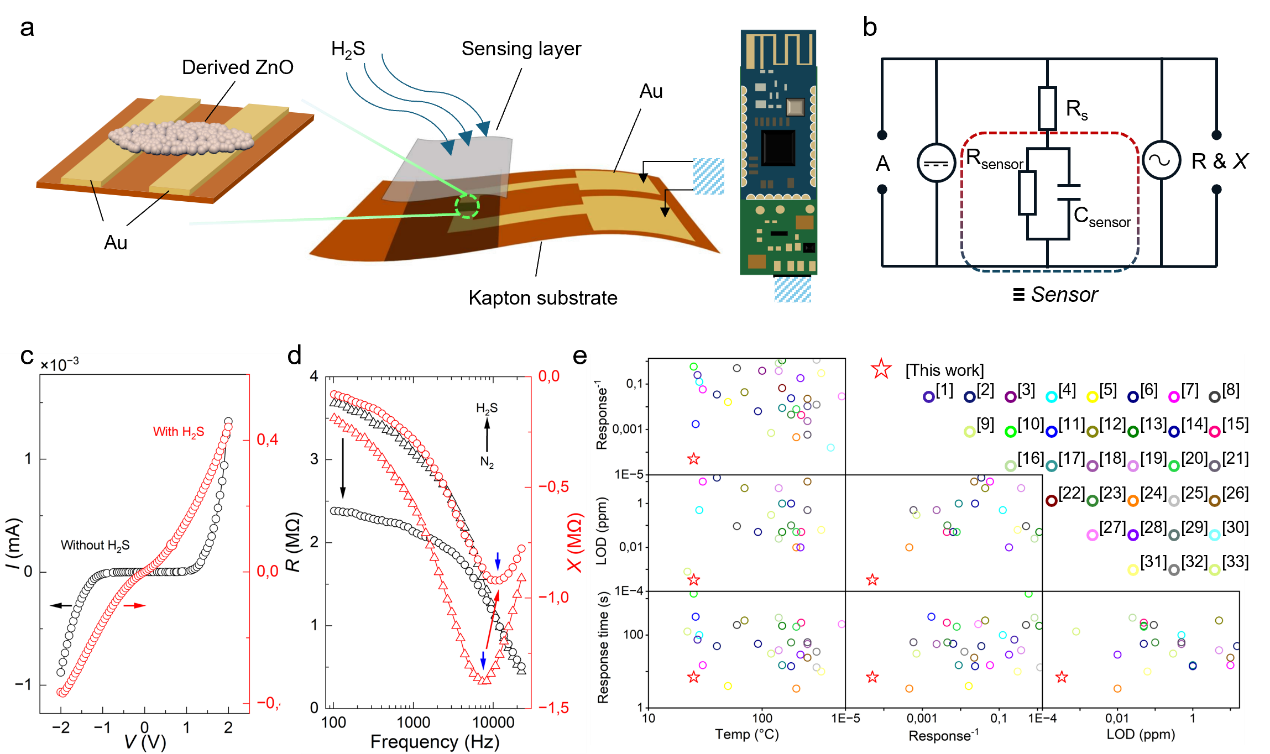
Figure 2. Wireless sensing platform and H₂S detection performance.
03 Designing functional RNA from structure
Nature Computational Science (8 August 2026) | Read the paper
“Structure-alignment-driven cross-graph modeling for functional RNA design”
Published in Nature Computational Science on 8 August 2026, the collaborative study led by Prof. Jie SONG, Prof. Xiaoyong PAN, and Prof. Hongbin SHEN reported AlignIF, an RNA sequence design method that integrates multiple structure alignment and cross-graph modeling for inverse folding from target 3D structures to functional RNA sequences. The method surpasses existing approaches in computational performance and was experimentally validated through the design of 23 fluorescent RNA aptamers and 7 self-cleaving ribozymes.
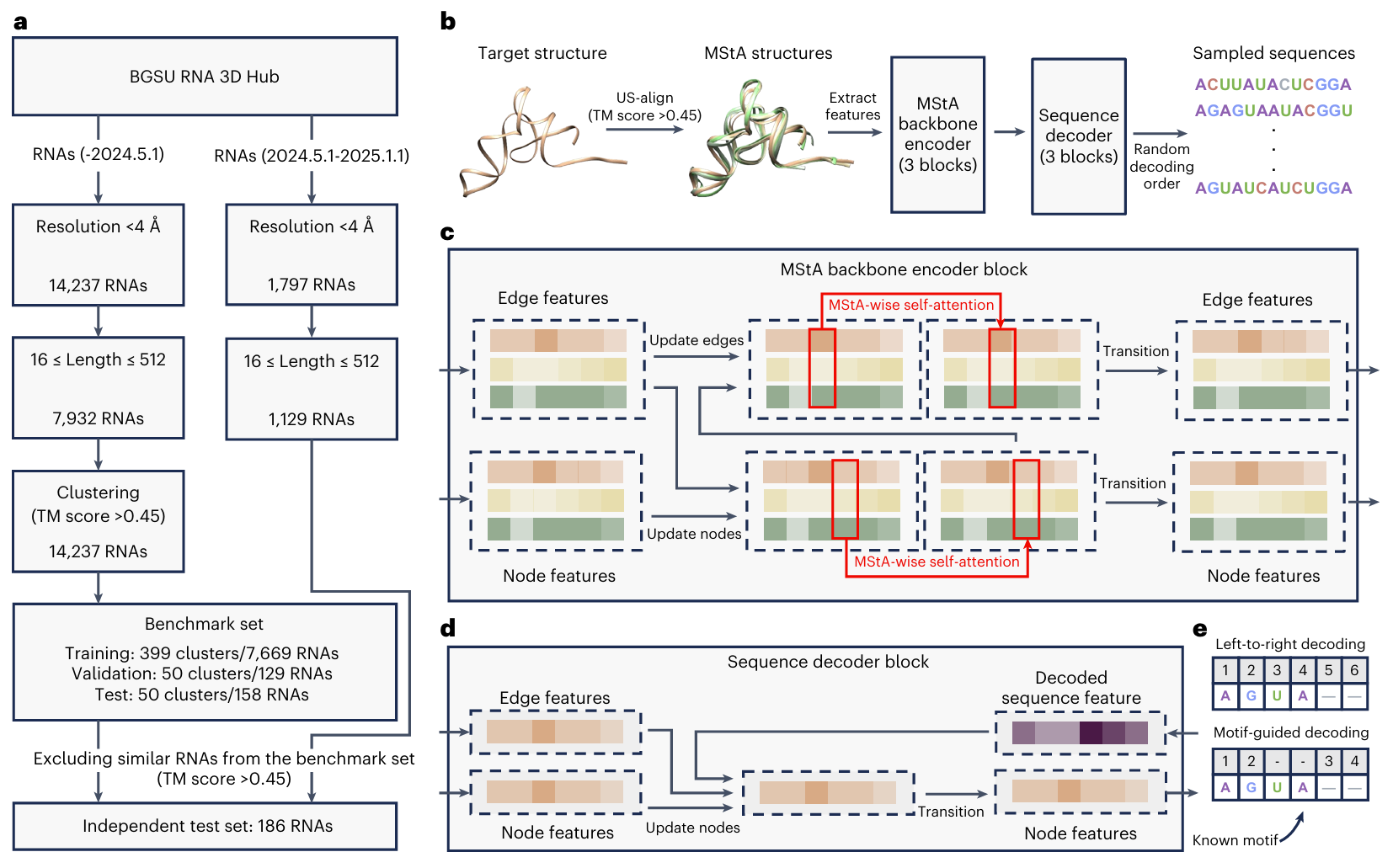
Figure 3. The AlignIF workflow for structure-guided RNA design.
04 Tuning transport across epithelial barriers
Journal of the American Chemical Society (26 July 2026) | Read the paper
“Composition Programmed Transport Inversion in Spherical Nucleic Acids Across Distinct Epithelial Barriers”
Published in JACS on 26 July 2026, the study led by Prof. Fei JIA investigated whether changing only surface composition while maintaining nanostructure topology can reverse the transport preference of nucleic acid carriers across different biological barriers. Using brush-like nucleic acids constructed by co-grafting FcεRIβ-targeting antisense oligonucleotides and zwitterionic polycarboxybetaine chains onto a degradable polymer backbone, the team demonstrated composition-programmed transport inversion across distinct epithelial barriers.
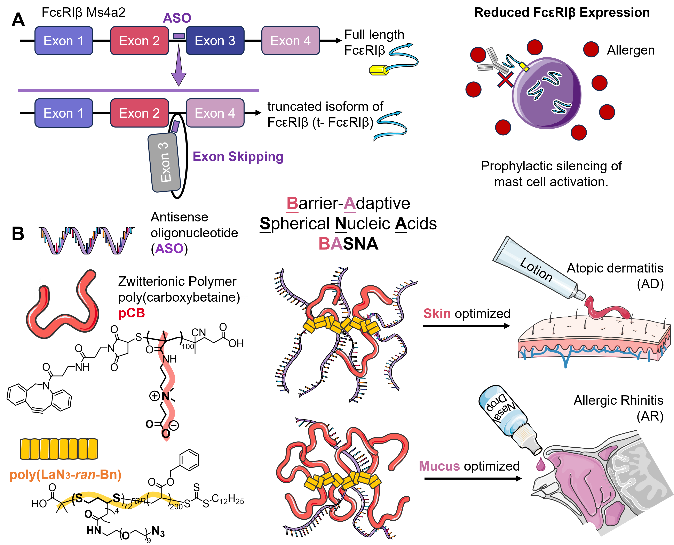
Figure 4. Nucleic acid carrier design and transport across epithelial barriers.
05 More robust molecular data storage
Science Advances (24 June 2026) | Read the paper
“Long-stranded XNA-cssDNA hybrids for robust data storage”
Published in Science Advances on 24 June 2026, the collaborative study led by Prof. Jie SONG and Prof. Liang HONG addressed two major obstacles in DNA data storage: susceptibility of natural DNA to acid, nuclease, and strongly denaturing conditions, and reduced effective capacity due to index sequences in short-chain libraries. By coating cssDNA with long-stranded FANA, the team created XNA-cssDNA hybrids that combine high-density encoding with resistance to degradation, enabling DNA-like readability while slowing damage in open environments.
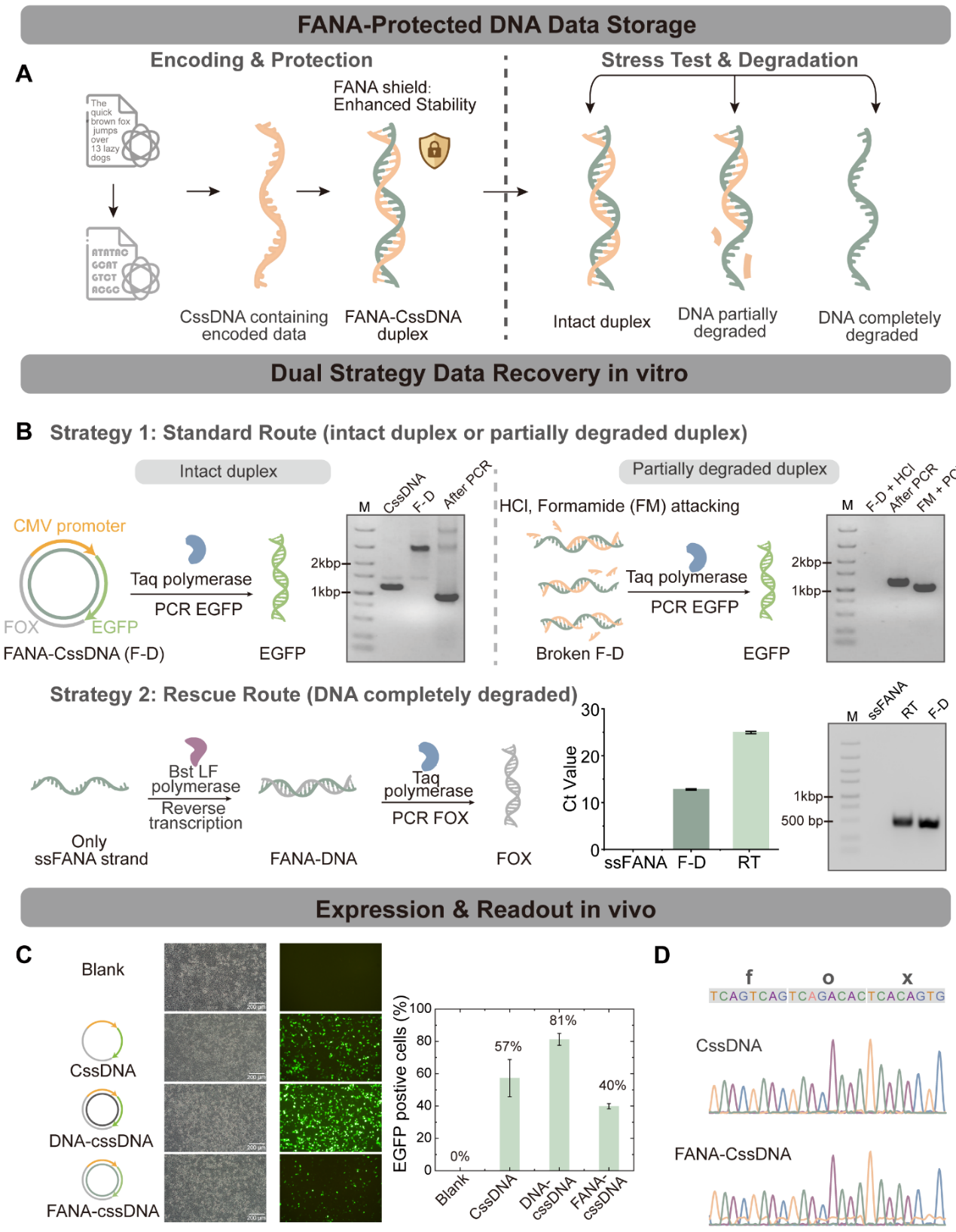
Figure 5. FANA-protected DNA storage and data recovery.
06 Nanofiber bridges for hemostatic dressings
Advanced Materials (26 August 2026) | Read the paper
“Bioinspired Hemostatic Dressings for Rapid and Safe Bleeding Control Via Nanofiber Bridging of Kaolin and Cotton”
Published in Advanced Materials on 26 August 2026, the collaborative study led by Academician Shuhong YU, Prof. Jiafu CHEN, and Prof. Liang DONG developed a bioinspired hemostatic dressing (AKOC) based on nanofiber-bridged interfaces. By growing nanofiber networks in situ on cotton fibers and anchoring kaolin nanosheets through synergistic covalent and non-covalent interactions, the dressing ensures full exposure of active surfaces while preventing particle detachment. In rat, rabbit, and pig hemorrhage models, AKOC reduced hemostasis time by 35%–62% compared with commercial QuikClot, with no detectable kaolin leakage or chronic inflammation.
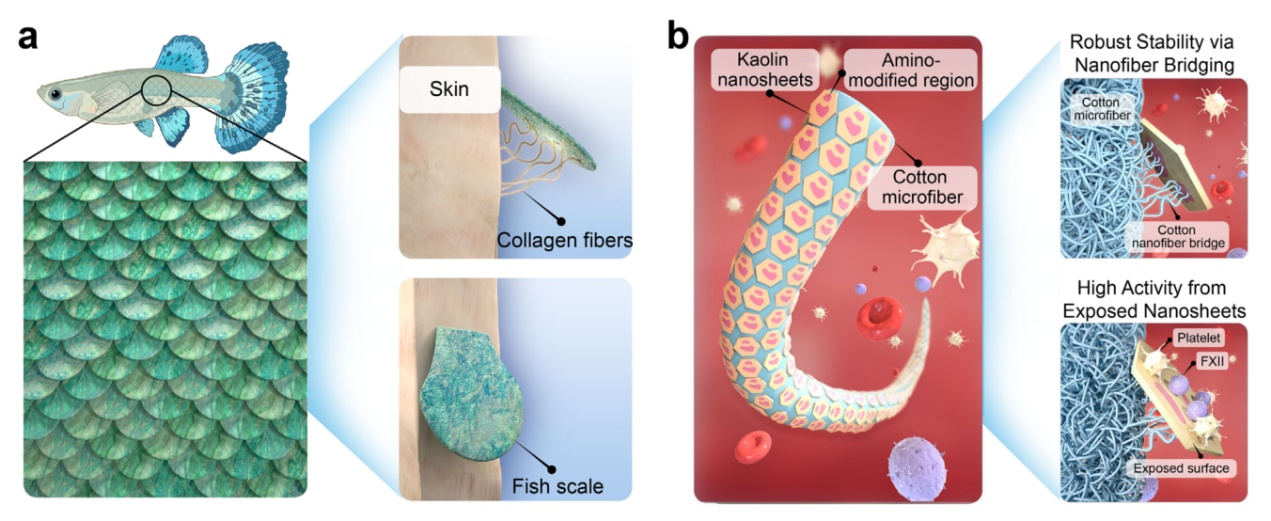
Figure 6. Nanofiber bridging at the kaolin–cotton interface.
07 Aptamers targeting PD-L1 glycosylation
Nano Letters (3 August 2026) | Read the paper
“Targeting PD-L1 Glycosylation with Site-Specific Aptamers for Enhanced Immune Checkpoint Blockade”
Published in Nano Letters on 3 August 2026, the study led by Prof. Liping QIU developed a Glyco-SELEX screening platform based on indole-modified DNA libraries to obtain aptamers that distinguish the four N-glycosylation sites of PD-L1. Aptamers targeting N35 and N192 effectively blocked PD-1/PD-L1 interaction, and the bivalent aptamer Bi-WF synergistically targeted both sites to enhance HER2 CAR-T cell killing of PD-L1-positive tumor cells.
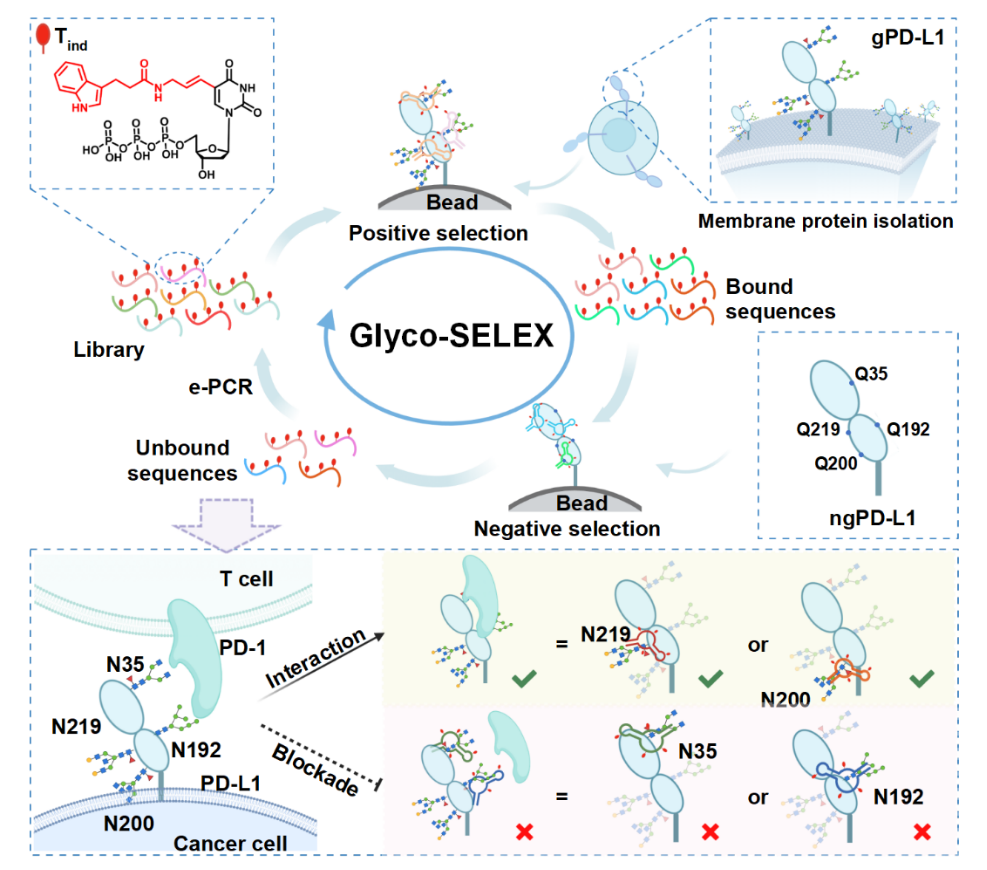
Figure 7. Glyco-SELEX and aptamers targeting PD-L1 glycosylation sites.
08 Improving intracellular antisense delivery
Nano Letters (27 August 2026) | Read the paper
“Zwitterionic Brush-Engineered Molecular Spherical Nucleic Acids for Enhanced Intracellular Antisense Activity”
Published in Nano Letters on 27 August 2026, the collaborative study led by Prof. Xiangdong CHENG, Prof. Fei JIA, and Prof. Wenhua XU developed environment-responsive engineered molecular spherical nucleic acids by interface engineering with zwitterionic polymer brushes. Using polyglutamic acid as the molecular backbone, HER2-targeting ASO and polycarboxybetaine side chains were sequentially conjugated via click chemistry. The zwitterionic interface remains near-neutral under physiological conditions but shifts toward positive charge in acidic endolysosomal environments, enhancing membrane interaction and reducing endolysosomal retention of nucleic acid drugs.
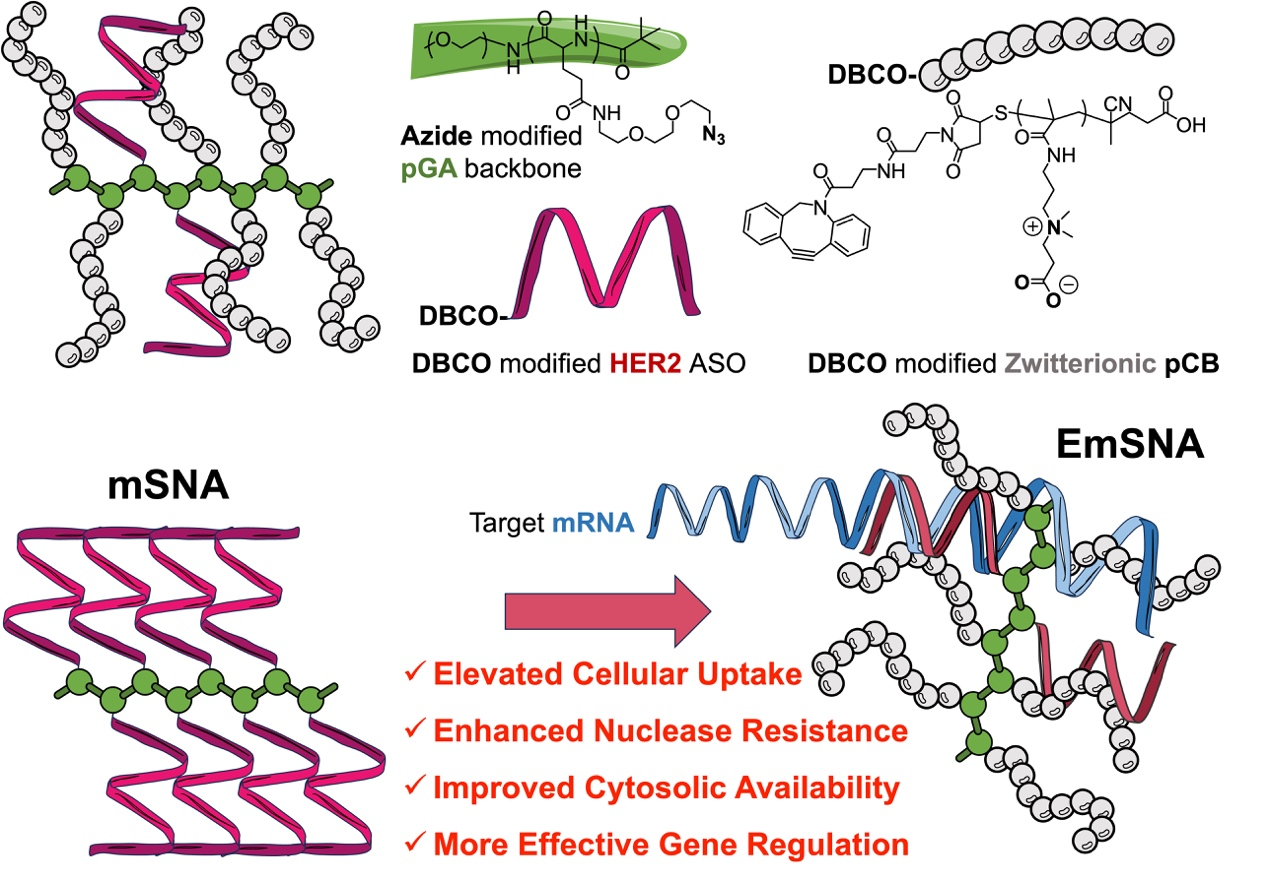
Figure 8. Design of zwitterionic brush-engineered molecular spherical nucleic acids.
09 Spatial control of receptor signaling
ACS Nano (9 June 2026) | Read the paper
“Receptor-Tethered Cytosolic Modulators Enable Spatial Control of Cell Signaling Specificity”
Published in ACS Nano on 9 June 2026, the study led by Prof. Liping QIU developed a modular, synthetic receptor-tethered effector modulator that integrates extracellular antibody recognition with transmembrane delivery capability to precisely deliver intracellular effector inhibitors to specific membrane receptors. This gene-editing-free, spatially precise modular nanoplatform enables nanoscale regulation of effector protein activity in the vicinity of target receptors, providing a new tool for dissecting complex signaling networks and a new technological path for tumor immunotherapy.
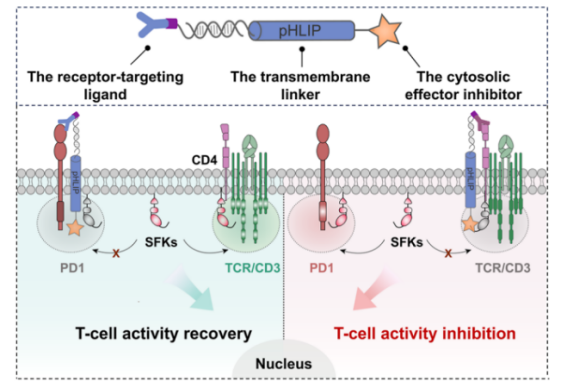
Figure 9. Receptor-tethered modulation of membrane-proximal signaling.
10 Cholesterol metabolism and ferroptosis
Advanced Science (11 June 2026) | Read the paper
“Functional Suppression of SCAP Triggers Endoplasmic Reticulum Stress-Dependent Ferroptosis by Impairing Cholesterol Metabolism in Gastric Cancer”
Published in Advanced Science on 11 June 2026, the collaborative study led by Prof. Jiangjiang QIN, Prof. Guangzhao PAN, Prof. Weidong ZHANG, and Prof. Fangfang TAO revealed that the sterol-sensing domain (SSD) of SCAP has therapeutic potential in gastric cancer. Targeting SSD function sustains SREBP2 activation and blocks cholesterol efflux, leading to pathological cholesterol overload in the endoplasmic reticulum, proteotoxic stress, Nrf1 release from the ER, impaired LXR-mediated cholesterol efflux, and GPX4 cascade activation that induces ferroptosis. This study establishes a causal link between SSD dysfunction, cholesterol dysregulation, and ferroptosis.
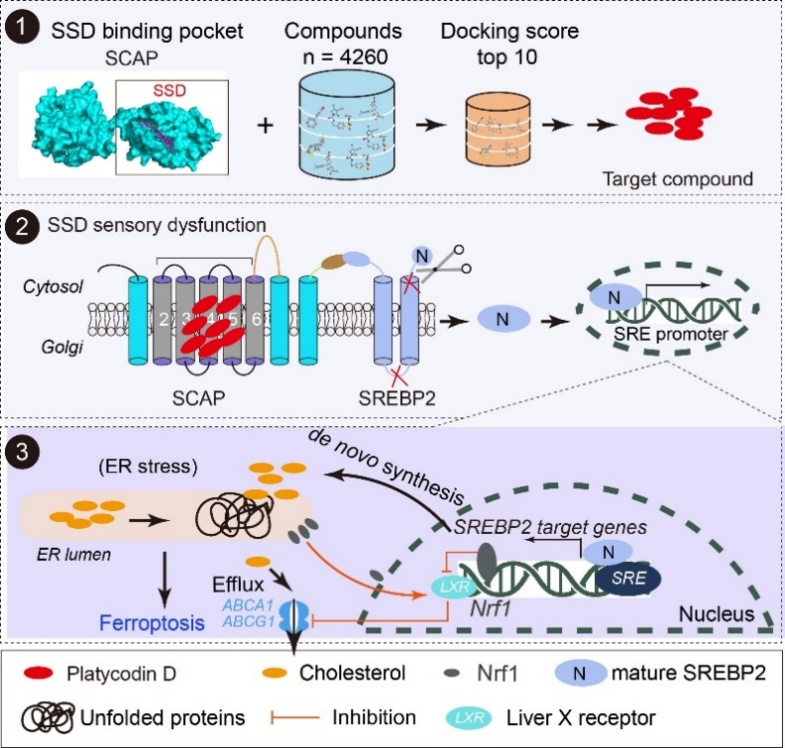
Figure 10. SCAP targeting and cholesterol-dependent ferroptosis.
11 Microneedles for skin fluid sampling
Materials Today Bio (22 July 2026) | Read the paper
“Xylem-inspired anisotropic porous silk microneedles enable efficient interstitial fluid sampling for local biomarker and proteomic profiling of skin diseases”
Published online in Materials Today Bio on 22 July 2026, the collaborative study led by Prof. Hao CHANG, Prof. Yingdi ZHU, and Prof. Chenjie XU developed anisotropic porous silk microneedles (APSMNs) inspired by plant xylem water-transport structures. The microneedles feature vertical microchannels through the needle body, enabling collection of over 10 μL of skin interstitial fluid within 5 minutes, transport of molecules at least 150 kDa, recovery efficiency exceeding 95%, and total protein yield over 180 μg. In a psoriasis mouse model, the platform detected local inflammatory markers with sensitivity higher than serum and comparable to skin biopsy, identifying over 6,300 proteins and 14 new potential biomarkers.
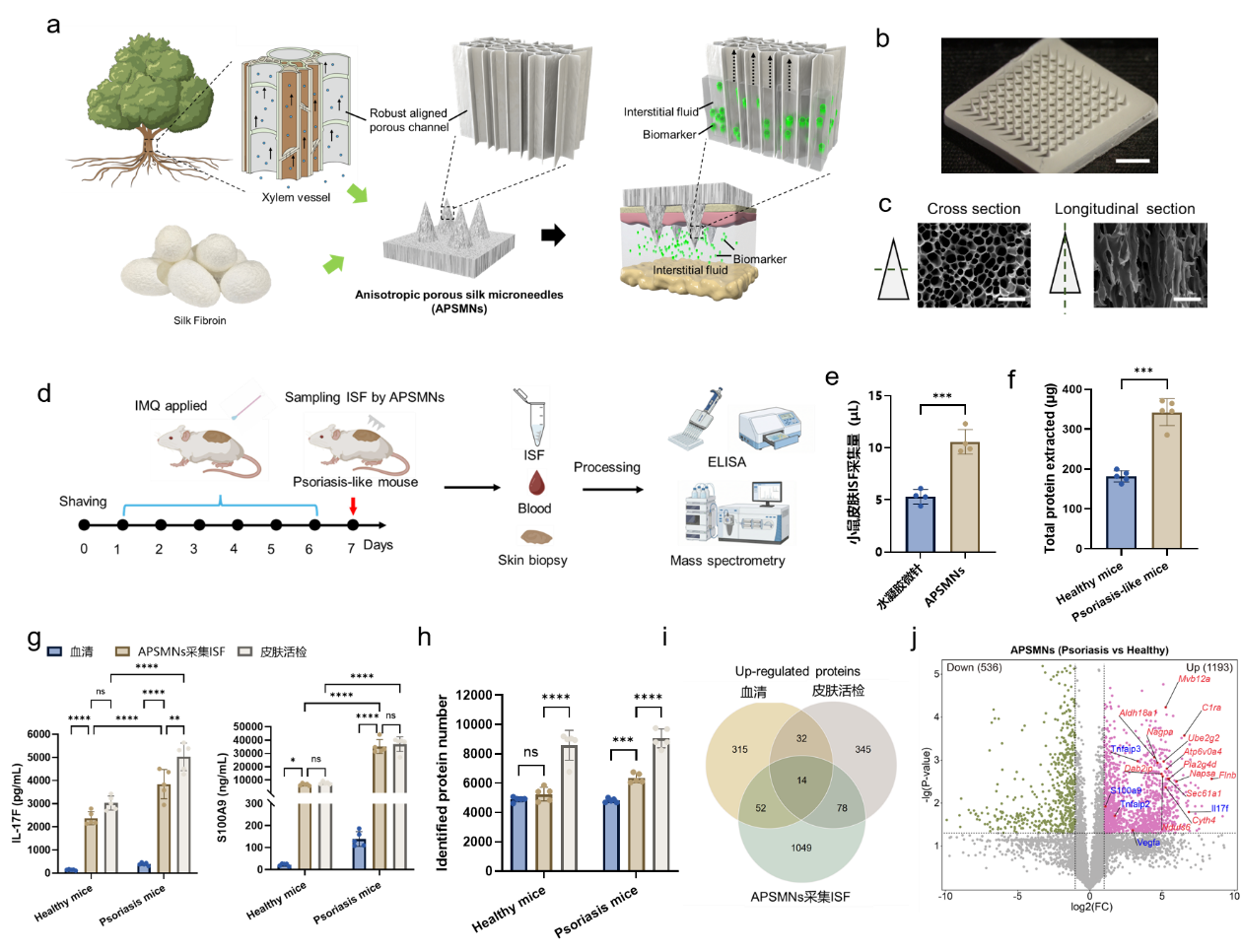
Figure 11. Microneedle design and interstitial fluid sampling.
12 Inferring tumor dependencies from pathology
npj Precision Oncology (18 August 2026) | Read the paper
“Inferring tumor dependency maps from histopathology through imputed transcriptomics”
Published in npj Precision Oncology on 18 August 2026, the collaborative study led by Prof. Min HE and Prof. Xiaofan DING proposed a two-stage deep learning framework that infers tumor gene dependencies from pathology images. The framework first uses weakly supervised learning to infer transcriptomic features from routine digital whole-slide images, then maps them to cancer cell line gene dependency data, constructing tumor dependency maps without additional molecular testing or functional screening. The inferred results capture cancer lineage, breast cancer molecular subtypes, drug response, and synthetic lethality-related dependencies.
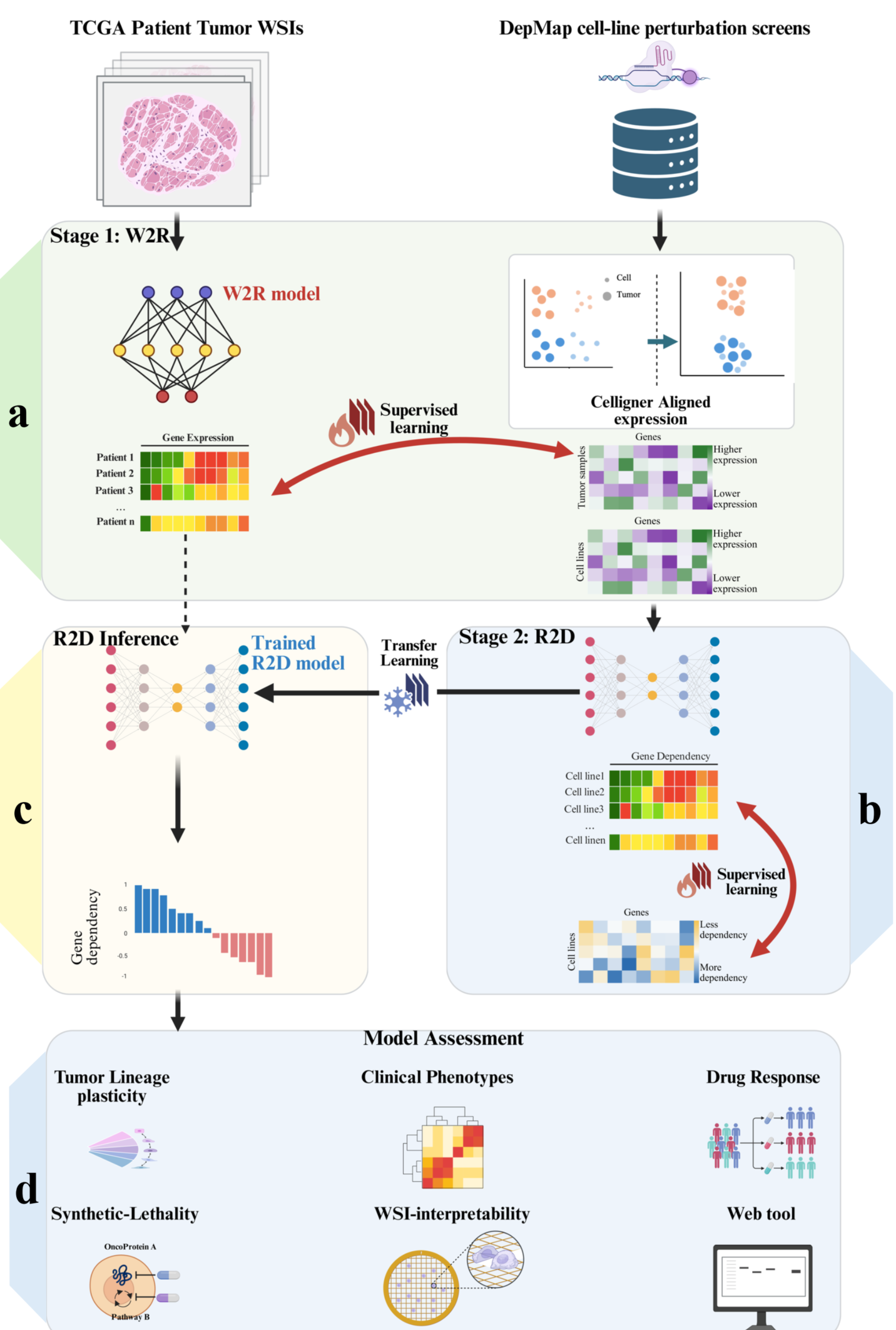
Figure 12. Workflow for inferring tumor dependency maps.
13 A brain–computer interface project reaches the finals
2026 Global Brain-Computer Interface × Medical Insurance Innovation Scenario Competition
The multimodal brain-computer interface (EEG) + personalized VR emotion intervention system for children and adolescents with emotional disorders, developed by Prof. Ning MA's group, has advanced to the finals of the 2026 Global Brain-Computer Interface × Medical Insurance Innovation Scenario Competition. The system integrates BCI, heart rate variability monitoring, AI, and VR technologies to build a closed-loop digital intervention system encompassing perception, analysis, intervention, feedback, and evaluation. It collects EEG, heart rate, and behavioral interaction data to comprehensively assess emotional and cognitive states, intelligently matches training programs based on individual baselines, and dynamically adjusts training parameters based on real-time physiological signals.
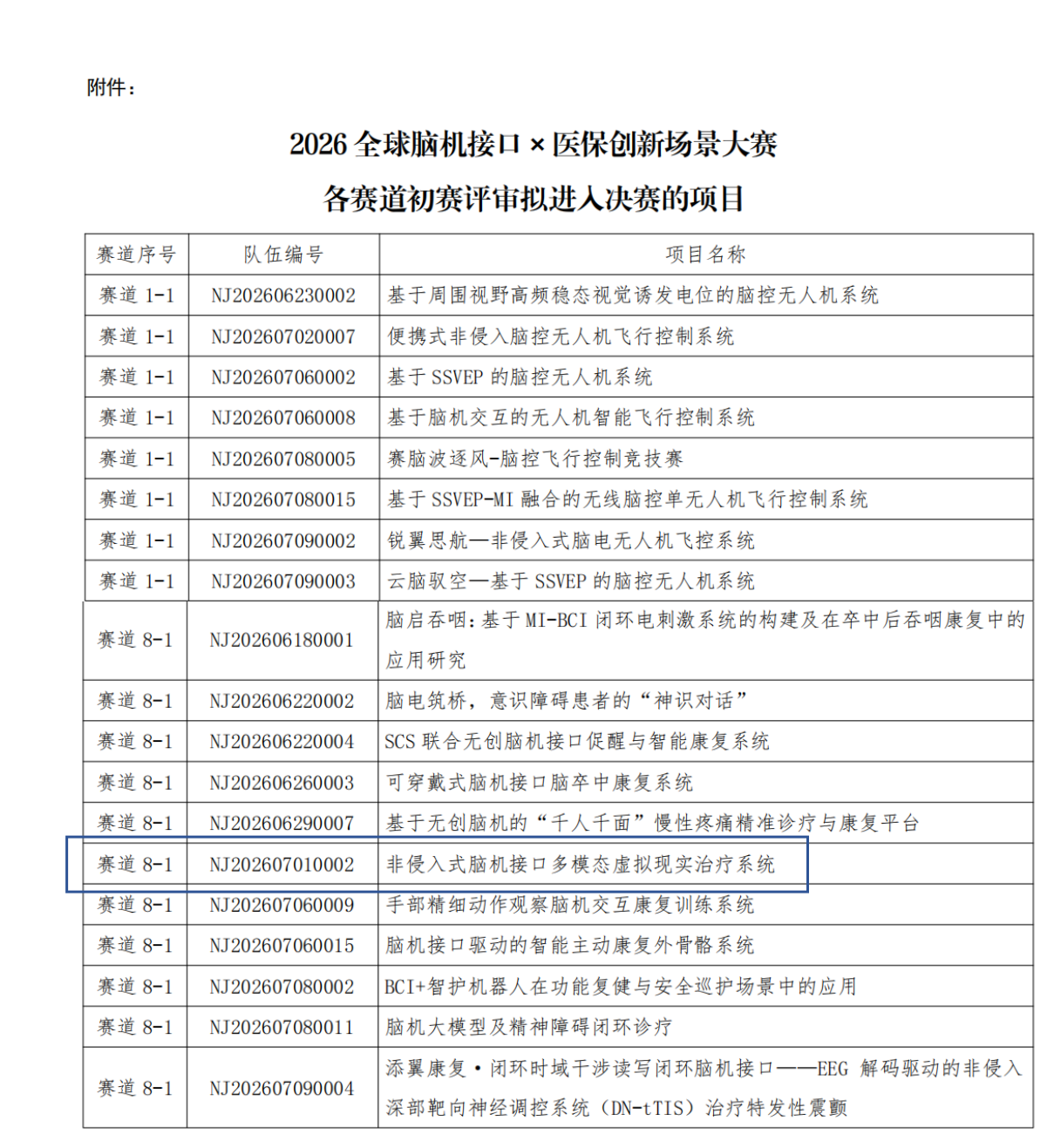
Figure 13. Excerpts from the competition finalist list.
II. Affiliated Hospital (Zhejiang Cancer Hospital)
01 Ivonescimab for triple-negative breast cancer
Nature Medicine (12 August 2026) | Read the paper
“First-line PD-1/VEGF bispecific antibody plus chemotherapy in triple-negative breast cancer: a phase 2 trial”
Published online in Nature Medicine on 12 August 2026, the study led by Prof. Xiaojia WANG and Prof. Quchang OUYANG evaluated ivonescimab, a first-in-class PD-1/VEGF bispecific antibody, combined with taxane chemotherapy as first-line treatment for locally advanced unresectable or metastatic triple-negative breast cancer. In 36 enrolled patients with a median follow-up of 22.1 months, the ORR was 80.0% among 35 evaluable patients, with 2 CR (5.7%) and 26 PR (74.3%). Median DOR was 12.2 months, median PFS was 15.2 months, 6-month PFS rate was 78.7%, and 12-month PFS rate was 56.3%. Subgroup analysis showed benefit regardless of PD-L1 expression, with ORR of 83.3% and median PFS of 15.9 months in PD-L1 CPS≥10 patients, and ORR of 79.3% and median PFS of 13.0 months in CPS<10 patients.
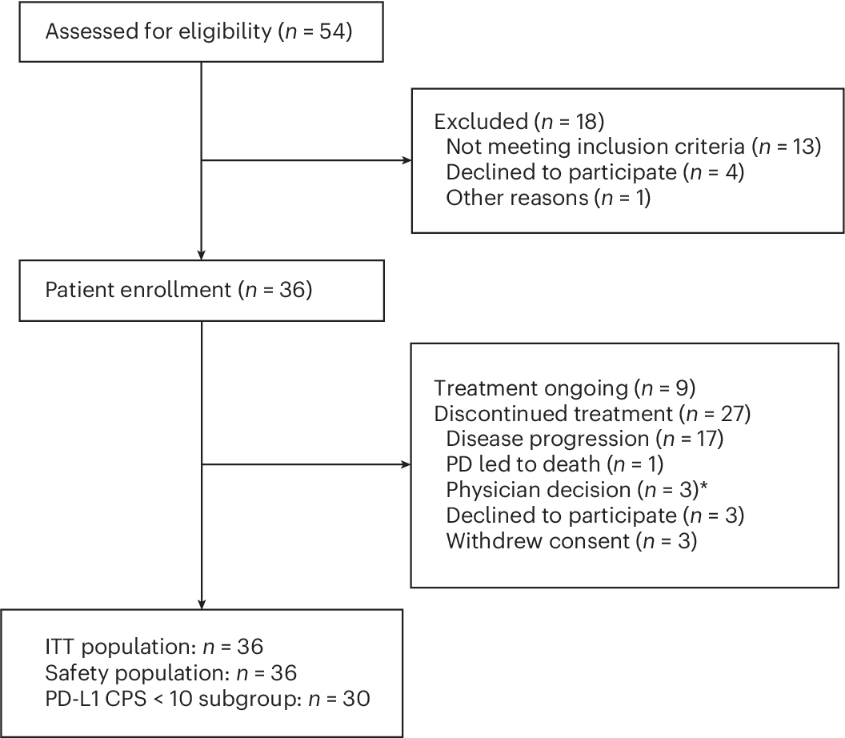
Figure 14. Patient disposition in the phase 2 trial.
02 A biomarker for perioperative gastric cancer treatment
Cancer Cell (July 2026) | Read the paper
“Perioperative tislelizumab plus chemotherapy for locally advanced gastric cancer: A randomized, prospective phase 2 trial”
Published in Cancer Cell in July 2026, the study led by Prof. Xiangdong CHENG and Prof. Zhiyuan XU reported the Mountain-02 prospective, multicenter, randomized phase II clinical trial. A total of 136 patients with locally advanced gastric/gastroesophageal junction adenocarcinoma were stratified by tsMHC-II expression and randomized to perioperative chemotherapy plus immunotherapy or chemotherapy alone. In tsMHC-II-positive patients, the combined immunotherapy group achieved a major pathological response rate of 61.8% versus 26.5% with chemotherapy alone, and a pathological complete response rate of 32.4%, while no significant benefit was observed in negative patients. This provides the first prospective randomized clinical evidence that tsMHC-II can precisely identify patients benefiting from immunotherapy.
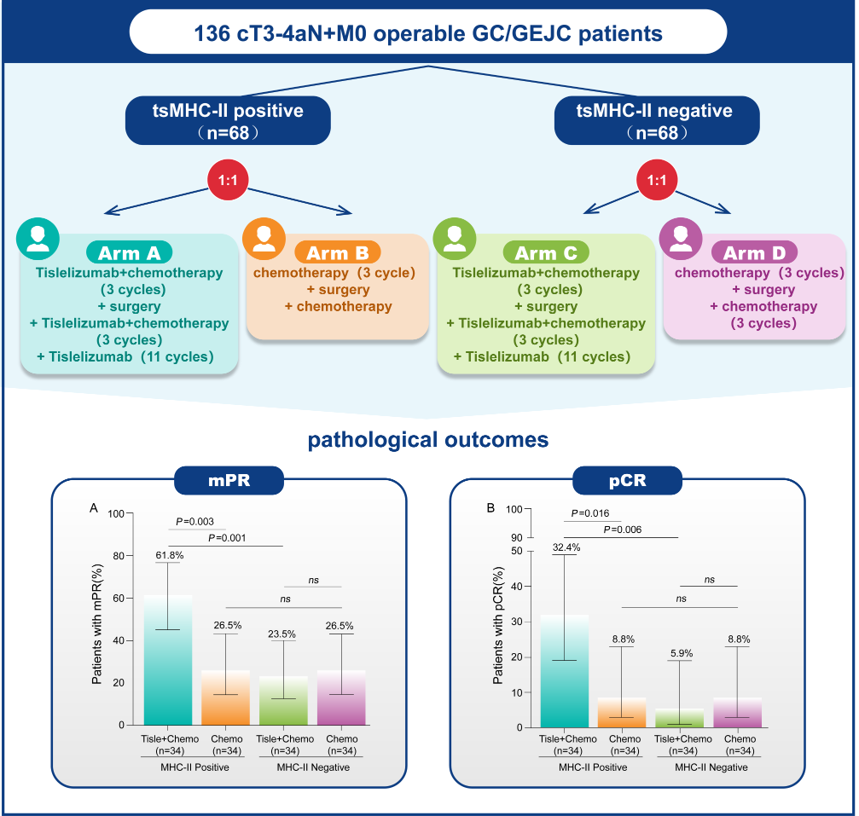
Figure 15. Trial design and pathological response outcomes.
03 A chemotherapy-free combination for lung cancer
The Lancet Respiratory Medicine (July 2026) | Read the paper
“Ifebemtinib plus garsorasib as first-line treatment for KRASG12C-mutated non-small-cell lung cancer in China: a multicentre, single-arm expansion cohort from a phase 1b/2 trial”
Published in The Lancet Respiratory Medicine in July 2026, the study led by Prof. Zhengbo SONG investigated the combination of the highly selective FAK inhibitor ifebemtinib with the KRAS G12C inhibitor garsorasib as first-line treatment. Among 33 treatment-naïve patients (31 evaluable), the confirmed ORR was 82%, DCR was 91%, and median PFS was 22.3 months. Among 20 patients with detectable baseline KRAS G12C in peripheral blood, 18 had paired post-treatment samples, all 18 (100%) showed decreased KRAS G12C VAF, and 15 (83%) achieved clearance. This provides a highly effective chemotherapy-free regimen.
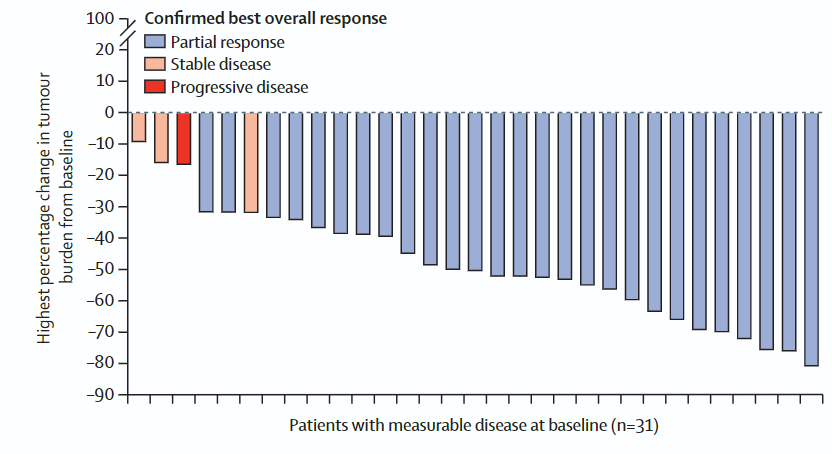
Figure 16. Tumor size changes in 31 patients with measurable disease at baseline.
04 Long-term survival in the RATIONALE-312 trial
Journal of Thoracic Oncology (June 2026) | Read the paper
“First-Line Tislelizumab Plus Chemotherapy Versus Placebo Plus Chemotherapy in Extensive-Stage SCLC: A Long-Term Survival and Programmed Death-Ligand 1 Subgroup Analysis From the Randomized, Phase 3 RATIONALE-312 Trial”
Published online in Journal of Thoracic Oncology in June 2026, the study led by Prof. Yun FAN as first and corresponding author, in collaboration with 51 research centers, reported long-term follow-up and PD-L1 subgroup analysis of the RATIONALE-312 trial. A total of 457 patients with previously untreated ES-SCLC were randomized 1:1 to tislelizumab plus chemotherapy or placebo plus chemotherapy. With median survival follow-up of 39.8 and 36.4 months, median OS was 15.5 months versus 13.5 months (stratified HR=0.78, 95% CI 0.63–0.95), 3-year OS rates were 22.1% versus 13.1%, and 4-year OS rate in the tislelizumab group was 18.9%. Median PFS was 4.7 versus 4.3 months (HR=0.65, 95% CI 0.53–0.80). Benefit was observed across PD-L1 expression subgroups.
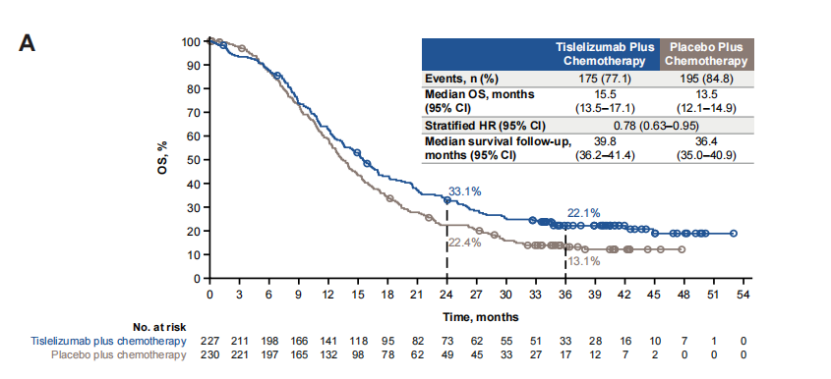
Figure 17. Overall survival in the RATIONALE-312 trial.
05 Reducing treatment toxicity in nasopharyngeal carcinoma
BMC Medicine (August 2026) | Read the paper
“Randomized, multicenter phase 3 study evaluating radiotherapy versus concurrent chemoradiotherapy in nasopharyngeal carcinoma patients achieving CR/PR after induction chemotherapy”
Published in BMC Medicine in August 2026, the study led by Prof. Xiaozhong CHEN (first author: Dr. Ting JIN) conducted a multicenter, randomized, open-label phase III non-inferiority trial comparing radiotherapy alone versus concurrent chemoradiotherapy in locally advanced nasopharyngeal carcinoma patients achieving CR/PR after induction chemotherapy. A total of 220 patients were randomized to IC+RT (109) or IC+CCRT (111). After median follow-up of 57 months, 5-year PFS rates were 87.0% versus 80.7% (P=0.21). The IC+RT group had significantly lower rates of grade 3-4 hematologic and non-hematologic adverse events. The study provides hypothesis-generating evidence that omitting concurrent chemotherapy may be a better-tolerated option for this patient population.
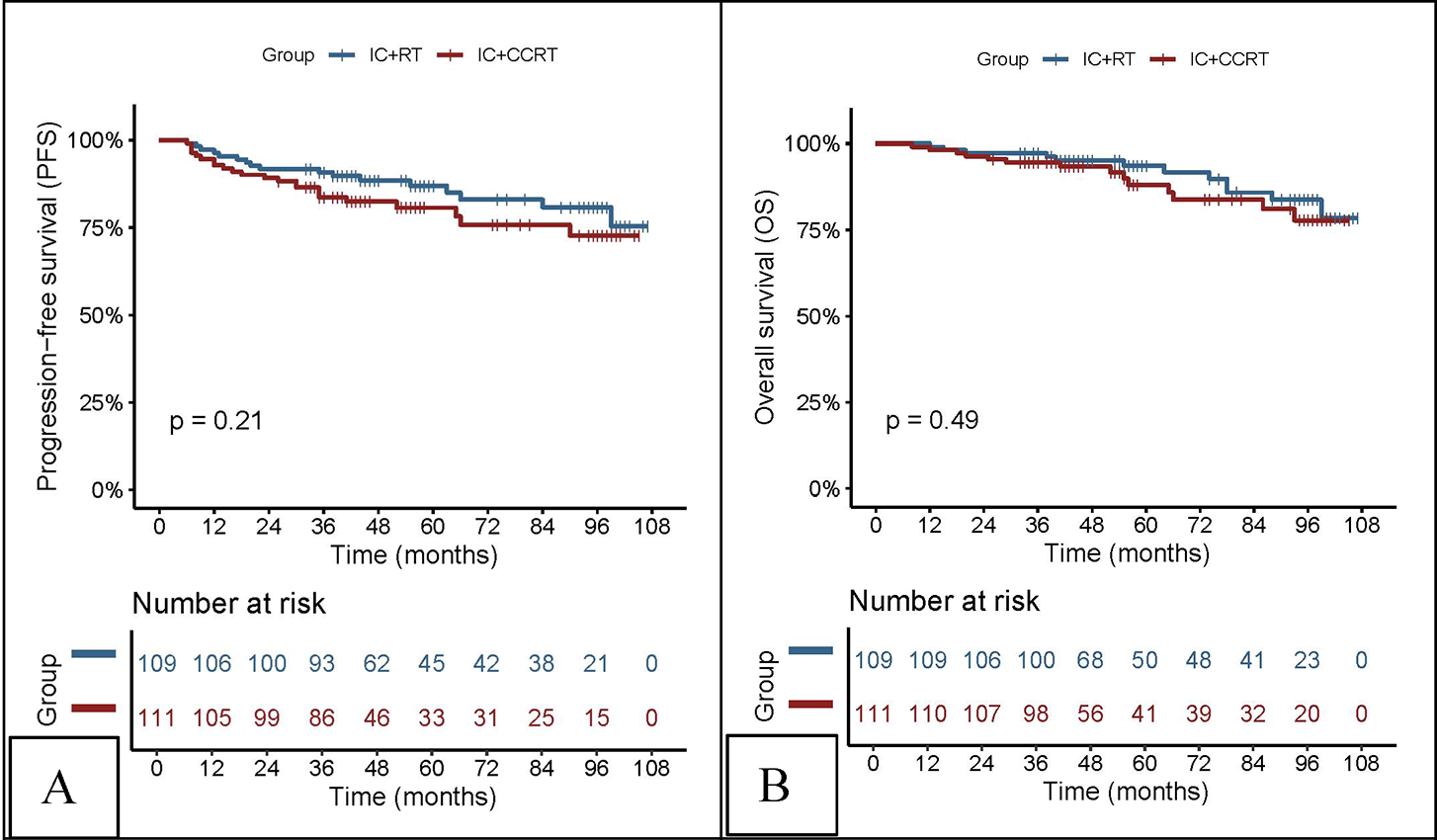
Figure 18. Survival outcomes after induction chemotherapy followed by RT or CCRT.
06 Risk assessment for gastric cancer screening
BMC Medicine (2026) | Read the paper
“Comparative validation and local adaptation of gastric cancer risk assessment models in a large multicenter endoscopic screening cohort in China”
Published in BMC Medicine in 2026, the study led by Prof. Lingbin DU and Prof. Xue LI, based on the Zhejiang large-scale multicenter upper gastrointestinal cancer screening project, enrolled 144,329 residents who underwent endoscopic screening from 2022 to 2024, with 1,419 gastric cancer cases detected. The study constructed a gastric cancer risk assessment model for the Chinese screening population, integrating nine easily obtainable risk factors. The model achieved an AUC of 0.759 in the validation cohort and demonstrated stable discrimination across different regions of Zhejiang. The highest-risk quartile (Q4) contained 62.25% of gastric cancers and 58.56% of high-grade intraepithelial neoplasia, with a gastric cancer detection rate of 2.36%.
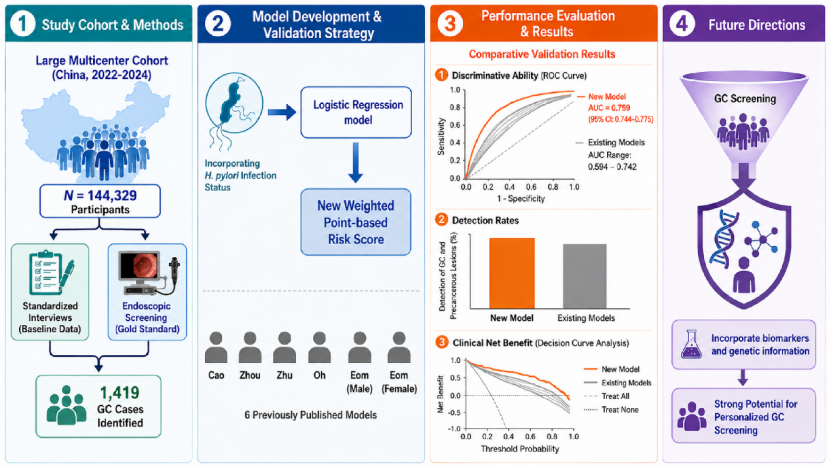
Figure 19. Study design and gastric cancer risk assessment.
07 PET monitoring of neural stem cell transplantation
European Journal of Nuclear Medicine and Molecular Imaging (July 2026) | Read the paper
“PET molecular imaging of in vivo brain metabolism, synaptic density and glial reactivity changes after neural stem cell transplantation on a rat model of ischemic stroke”
Published in European Journal of Nuclear Medicine and Molecular Imaging in July 2026, the study led by Prof. Hong ZHANG used three PET molecular imaging probes—18F-FDG (glucose metabolism), 18F-SynVesT-1 (synaptic vesicle protein SV2A), and 18F-DPA-714 (TSPO for glial activation)—for longitudinal in vivo monitoring of human iPSC-derived neural stem cell transplantation in an ischemic stroke animal model. NSC transplantation restored glucose metabolism and synaptic density in the peri-infarct region at 8 weeks post-transplantation, with recovery correlated with motor and cognitive function improvement. The study confirms multimodal PET molecular imaging as an effective in vivo evaluation system for NSC transplantation therapy.
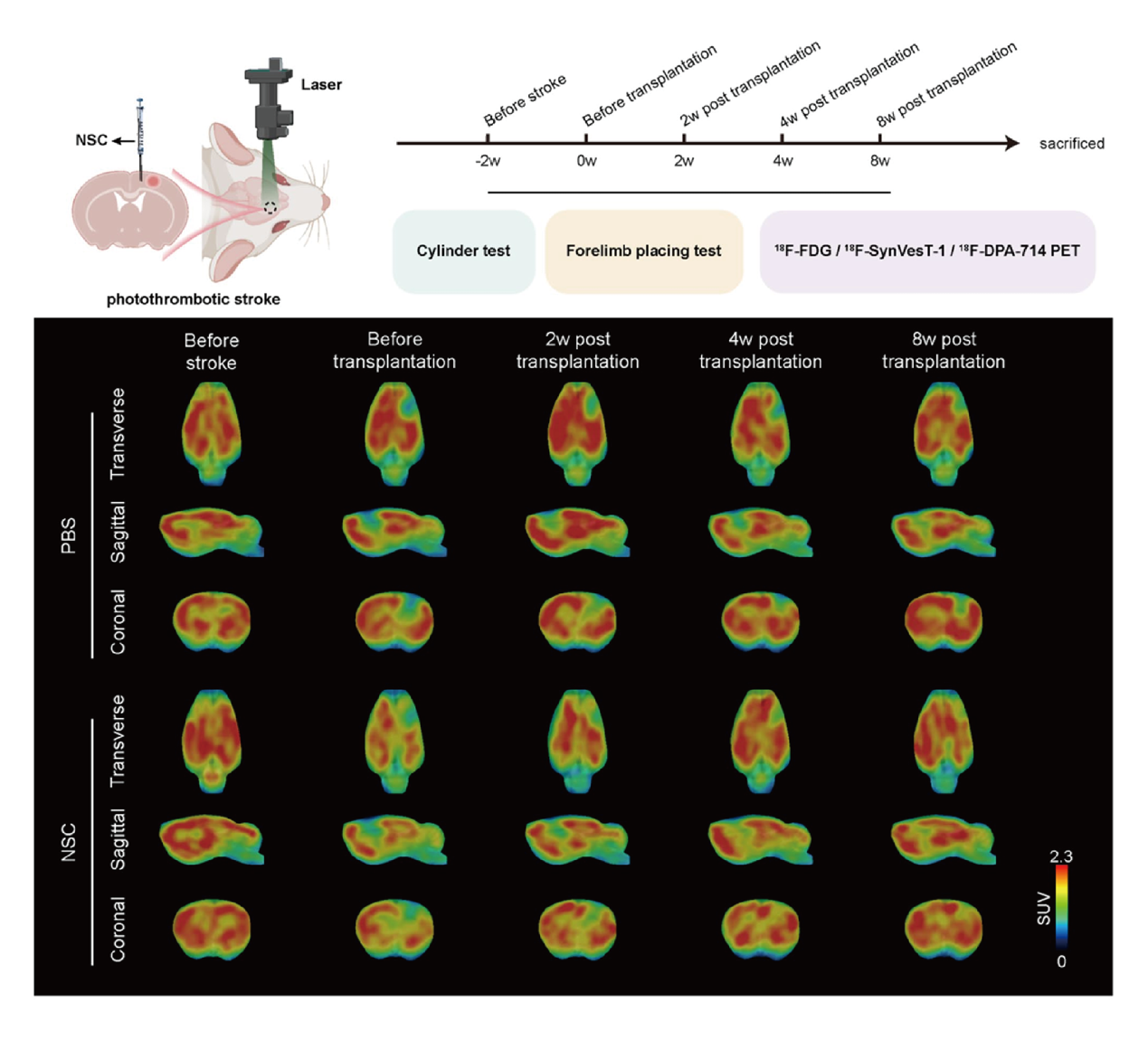
Figure 20. Study design and PET imaging after neural stem cell transplantation.
08 Long-term evidence on radiation dose escalation
Drug Resistance Updates (July 2026) | Read the paper
“Long-term outcomes and exploratory analysis from a randomized phase 3 trial of radiation dose escalation in definitive chemoradiotherapy for locally advanced esophageal squamous cell carcinoma”
Published in Drug Resistance Updates in July 2026, the collaborative study led by Prof. Ming CHEN and Prof. Yujin XU conducted long-term follow-up of a multicenter randomized controlled trial comparing high versus low radiation doses in definitive chemoradiotherapy for locally advanced unresectable esophageal squamous cell carcinoma. After median follow-up of 99.5 months, there were no significant differences in locoregional progression-free survival, overall survival, progression-free survival, or distant metastasis-free survival between the 60 Gy (160 patients) and 50 Gy (159 patients) groups. The study confirms that simply increasing radiation dose does not improve long-term survival in the era of modern intensity-modulated radiotherapy, providing long-term randomized evidence supporting 50 Gy as the standard dose.
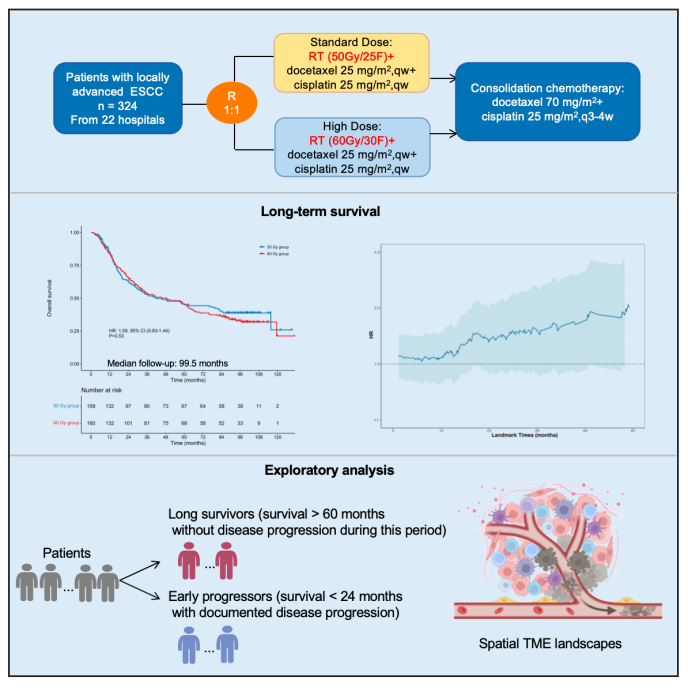
Figure 21. Trial design and long-term outcomes by radiation dose.
09 A mechanism of fluoropyrimidine resistance
Cancer Research (July 2026) | Read the paper
“PARG Governs a PARylation–Ubiquitination Toggle that Stabilizes RAD51AP1 to Drive Homologous Recombination–Mediated Chemoresistance”
Published in Cancer Research in July 2026, the collaborative study led by Prof. Xiangdong CHENG, Prof. Zu YE, and Prof. Hanming SHEN revealed that the PARG-RAD51AP1 axis regulates homologous recombination through a PARylation-ubiquitination toggle. PARG binds directly to RAD51AP1 through its N-terminal domain and removes PAR chain modifications, preventing RNF169-mediated K48-linked ubiquitination and proteasomal degradation of RAD51AP1, thereby maintaining its stability and homologous recombination repair capacity. PARG deficiency leads to RAD51AP1 degradation and sensitizes tumor cells to fluoropyrimidine-induced DNA damage. In patient-derived xenograft models, PARG inhibitors significantly enhanced the antitumor efficacy of 5-FU and capecitabine.
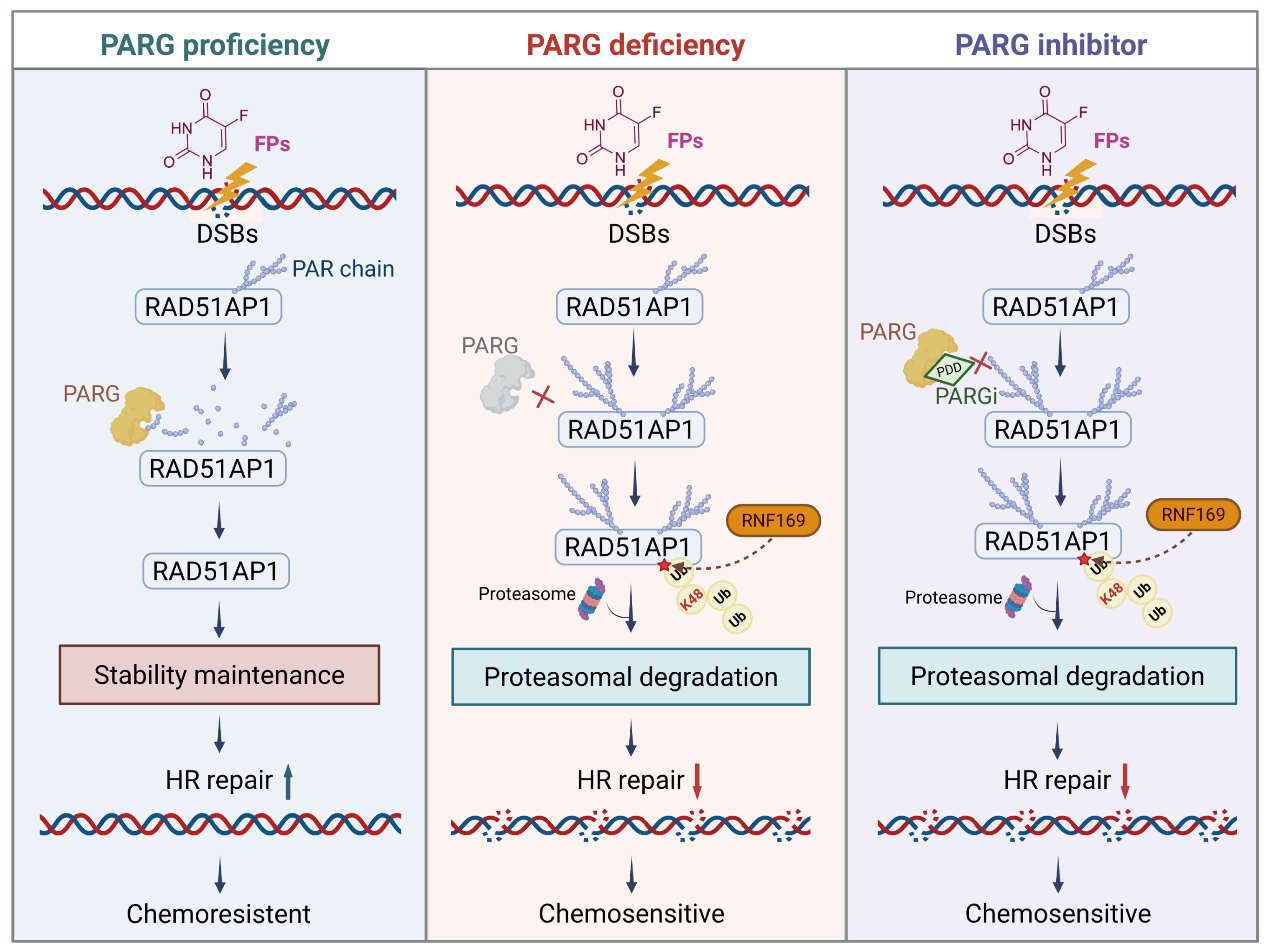
Figure 22. PARG regulation of RAD51AP1 stability and homologous recombination repair.
10 Time-encoded encryption with shape-memory hydrogels
Advanced Materials (June 2026) | Read the paper
“Time-Encoded Geometric Encryption Enabled by Shape-Memory Hydrogel with Photoisomerization-Gated Autonomous Recovery”
Published in Advanced Materials in June 2026, the collaborative study led by Prof. Yuhua ZHANG and Prof. Qian ZHAO proposed a light-regulated time-programming strategy that enables hydrogels to achieve autonomous, continuous deformation without sustained external stimulation. By utilizing the thermodynamic properties of thermoresponsive polymers and azobenzene-based hydrophobic interactions to regulate the entropy-enthalpy balance of polyacrylamide segments, the team constructed a zipper-like multiple dynamic hydrogen bond network. The hydrogel exhibits time-dependent mechanical responses, enabling shape memory and multi-level continuous deformation paths. Photoisomerization of azobenzene groups via 365 nm UV light enables precise local regulation and reconstruction of time-programming behavior.
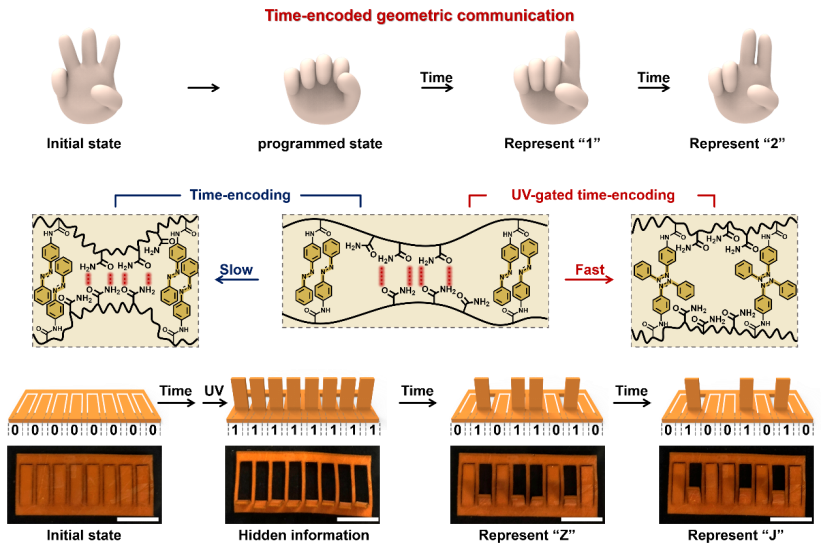
Figure 23. Time-dependent shape recovery and geometric information encoding.
11 Trained CAR macrophages targeting DLL3
Journal of Advanced Research (May 2026) | Read the paper
“Trained immunity-primed DLL3-targeted CAR macrophages for the eradication of small cell lung cancer”
Published online in Journal of Advanced Research in May 2026, the collaborative study led by Prof. Hangjie YING and Prof. Ying JIN constructed DLL3-targeting chimeric antigen receptor macrophages (CAR-M) and validated their efficacy and safety in immunodeficient and immunocompetent mouse models. CAR-M specifically recognized and phagocytosed DLL3-positive tumor cells with deep infiltration and potent killing capacity. Intravenous injection of DLL3 CAR-M significantly inhibited tumor growth in subcutaneous and orthotopic lung cancer models, with synergistic effects when combined with anti-PD-L1 antibody. β-glucan-induced trained immunity endowed CAR-M with persistently enhanced antitumor activity through epigenetic and metabolic reprogramming, upregulating inflammatory factors, type I interferon signaling, and T cell chemokines (CXCL9/10/11).
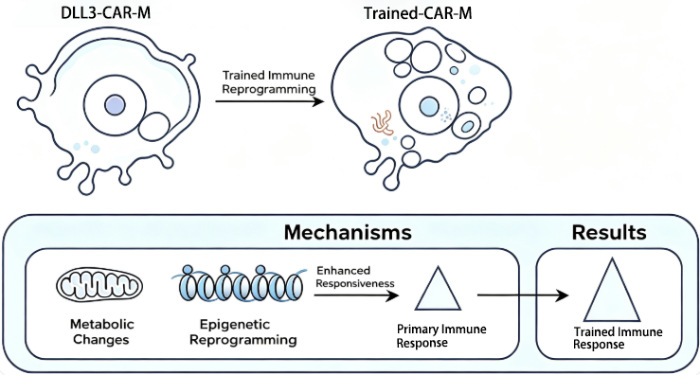
Figure 24. DLL3-targeted CAR macrophages and trained immunity.